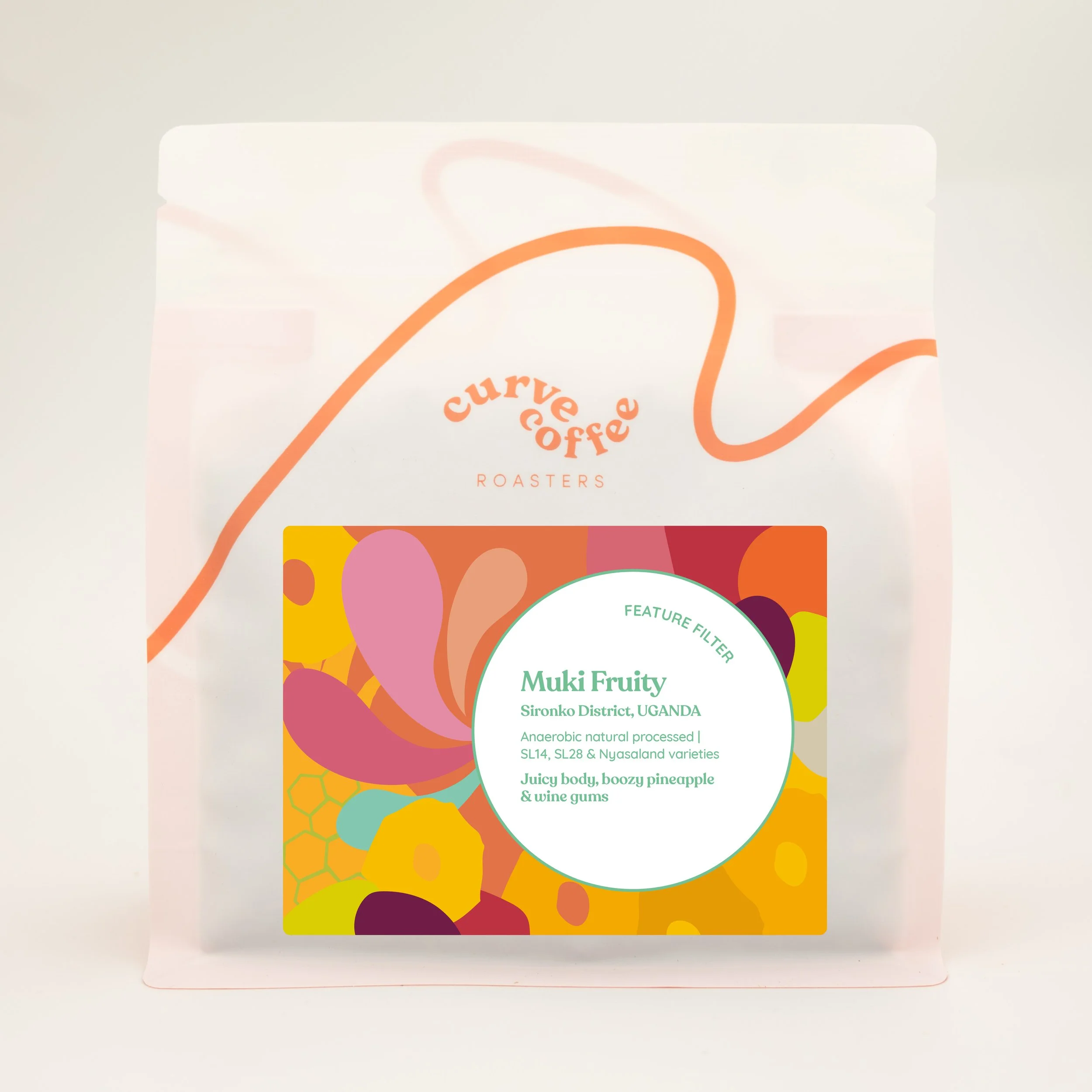
FEATURE FILTER | Muki Fruity (Anaerobic natural) | Uganda
FEATURE FILTER | Muki Fruity (Anaerobic natural) | Uganda
Boozy and fruity anaerobic natural lot of SL28, SL14 and Nyasaland varieties produced by the Coffee Yard founded by Normal Mukuru based in the Sironko region, Uganda.
Juicy body, boozy pineapple & wine gums
Great for filter coffee brewing (V60 and other drip filter methods, Aeropress, Clever Dripper and cafetière)
Best enjoyed black
Key Origin Info:
Producer: The Coffee Yard established by Norman Florals
Region: Sironko District, Eastern Uganda
Altitude: 1800-2200 masl
Variety: SL14, SL28 & Nyasaland
Process: Fermented in cherry in closed barrels, slowly dried on raised beds
Exporter: The Coffee Gardens | Importer: Falcon Speciality
Purchasing history: Since 2024 with Coffee Gardens, first year buying from the Coffee Yard in 2026
Cup profile: Juicy, boozy pineapple and wine gums
About this coffee and The Coffee Yard:
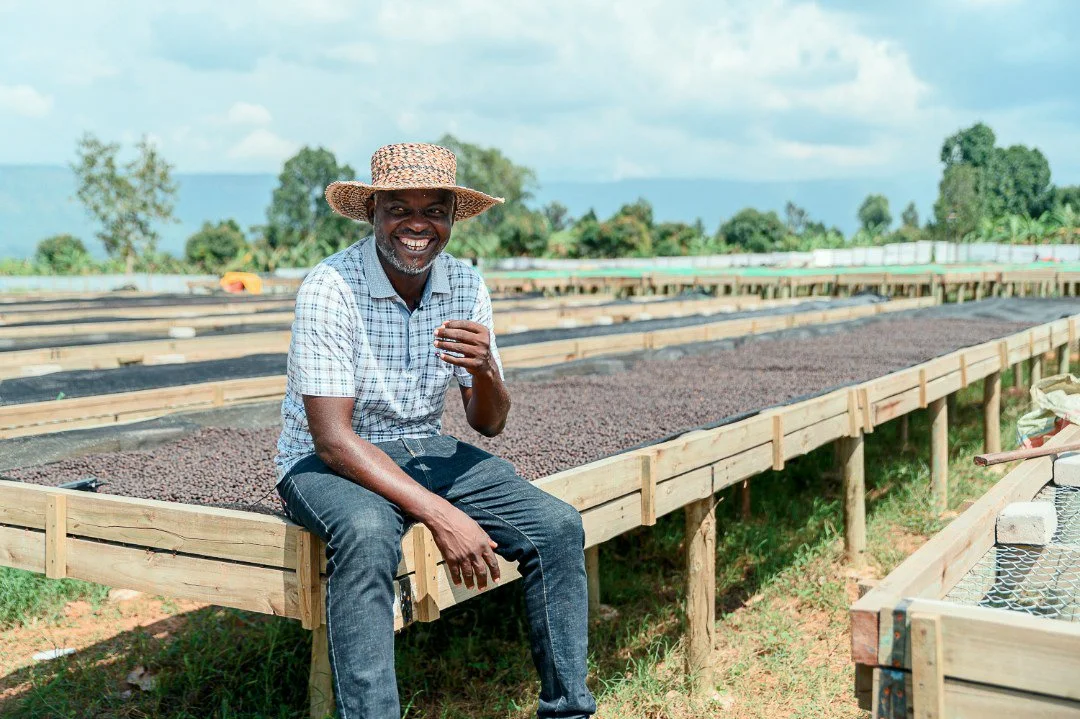
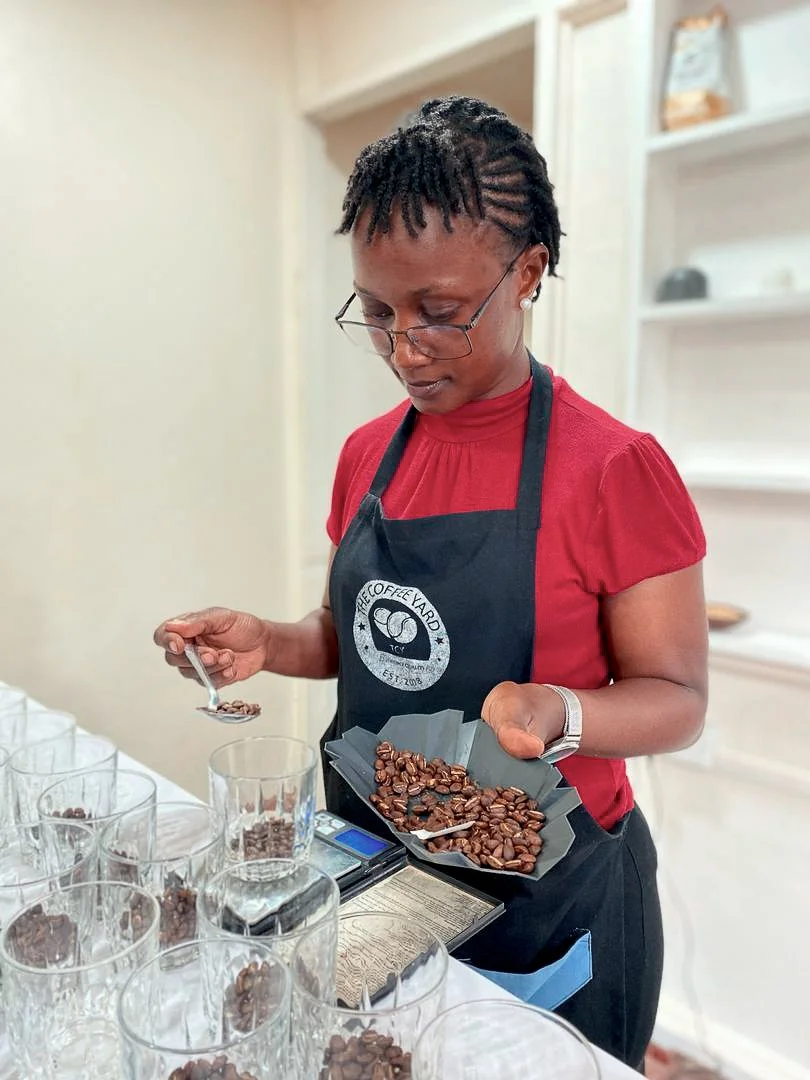
The Coffee Yard is a coffee drying facility founded up by Norman Mukuru - a highly experienced local producer. Receiving cherry from around 600 small-holder farmers, the Coffee Yard specialises in natural processing, creating different cup profiles with varying degrees of fermentation. This coffee is named after Norman Mukuru (founder) and Maria Kirya (head of quality) and it is processed using the anaerobic natural method with initial in-cherry fermentation before slow drying on raised beds. The result is a lovely, juicy and mildly boozy cup, reminding us of very ripe pineapple. The coffee is exported in collaboration with The Coffee Gardens, our export partner in Uganda. They work closely with Norman, providing training and support for growers and raising coffee quality in the region.
About The Coffee Gardens:
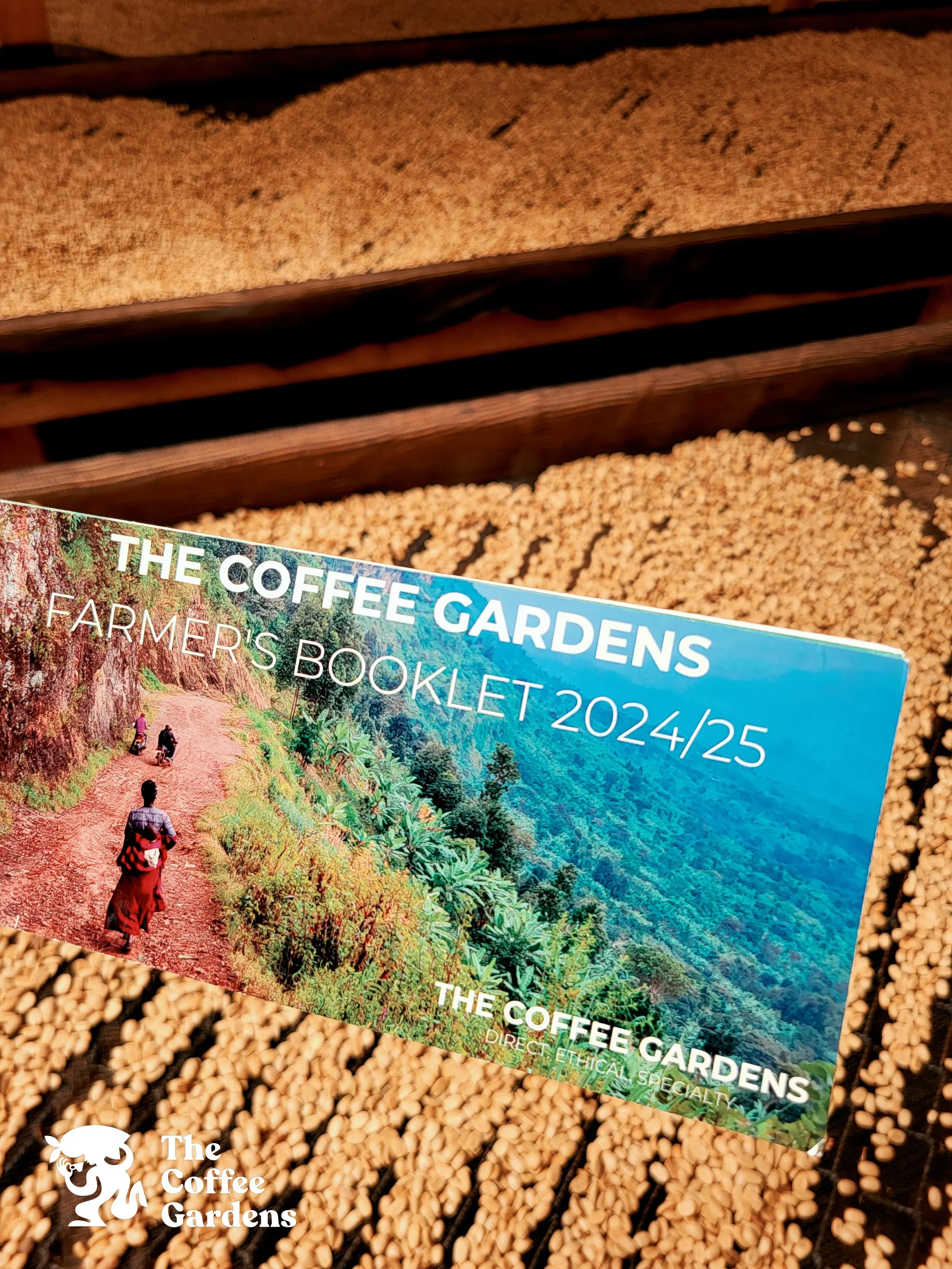
The Coffee Gardens project was established in 2017 by three friends - Dana, Michael and Shak - with the goal to produce specialty coffee in an ethical way, offering a transparent and direct link between our coffee farmers and coffee drinkers. Initially working with only 1 farming family in their first years, the operation quickly grew and they now work with over 600 coffee growing families.
As the CG team explains:
Quality is our reason for being. It allows us to pay farmers high prices and still invest in agricultural, social and environmental activities. Of course, the foundation of a good coffee is fresh, red, ripe cherries full of sugars to feed the fermentation process. In a time of intense price volatility, we work hard to create the right incentives so farmers decide to deliver only red cherries day after day. We also have rigorous sorting protocols in place starting in farmers’ gardens, and at every stage from our buying centres, throughout processing and all the way to export preparation.
Whilst quality is at the centre of their coffee production, The Coffee Gardens team work holistically to contribute to positive local development. With clearly defined objectives, they strive to improve farmers income and livelihoods, create and provide rural employment, promote gender equality, increase transparency and traceability throughout the supply chain, promote and work on environmental protection in the area and provide farmer training in Good Agricultural Practises (GAP).
The Coffee Gardens also incentivise and reward farmers through a number of different monetary and non-monetary ways. These include post-season bonuses, additional income-generating and employment opportunities, tree distribution and a range of all-year-round training programs. The Coffee Gardens is transparent with their partner farmers about buying policy and prices, providing each registered farmer with a contract and a buying-record book, communicating any price changes via SMS to registered farmers, and providing receipts for every transaction.