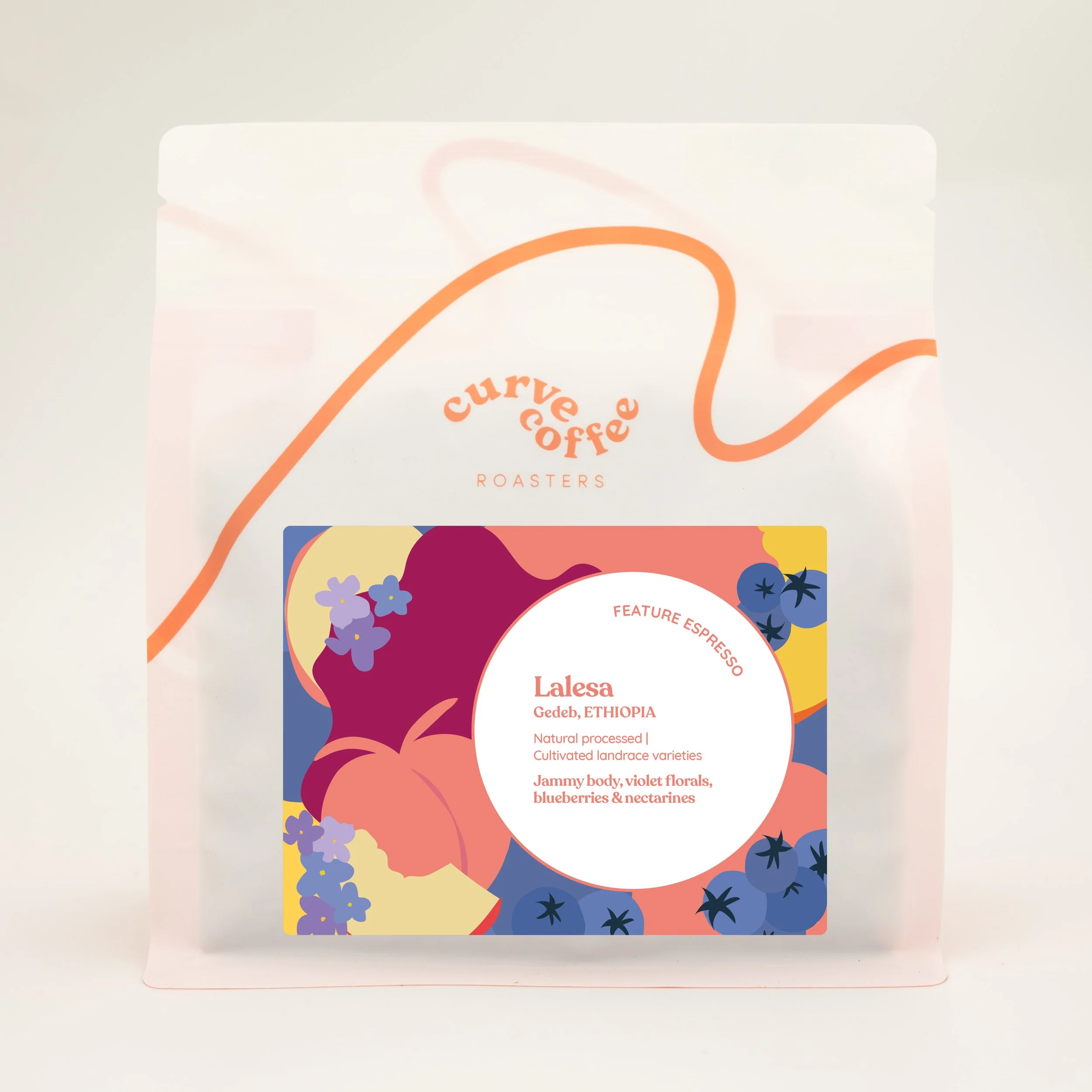
FEATURE FILTER | Lalesa (Black Honey) | Ethiopia
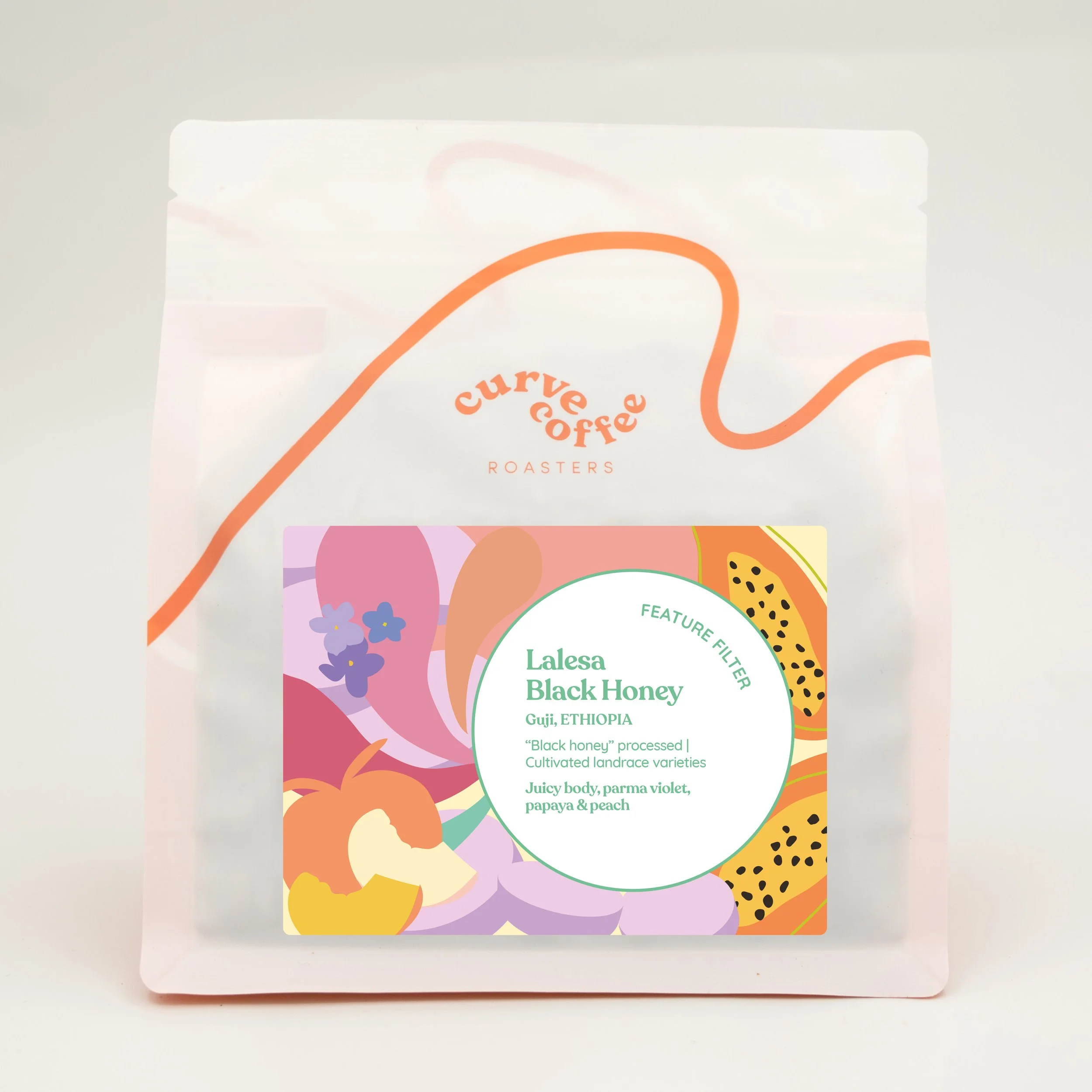
FEATURE FILTER | Lalesa (Black Honey) | Ethiopia
“Black honey” processed lot of local landrace varieties produced at Lalesa processing site owned and run by the Ephtah coffee exporters team.
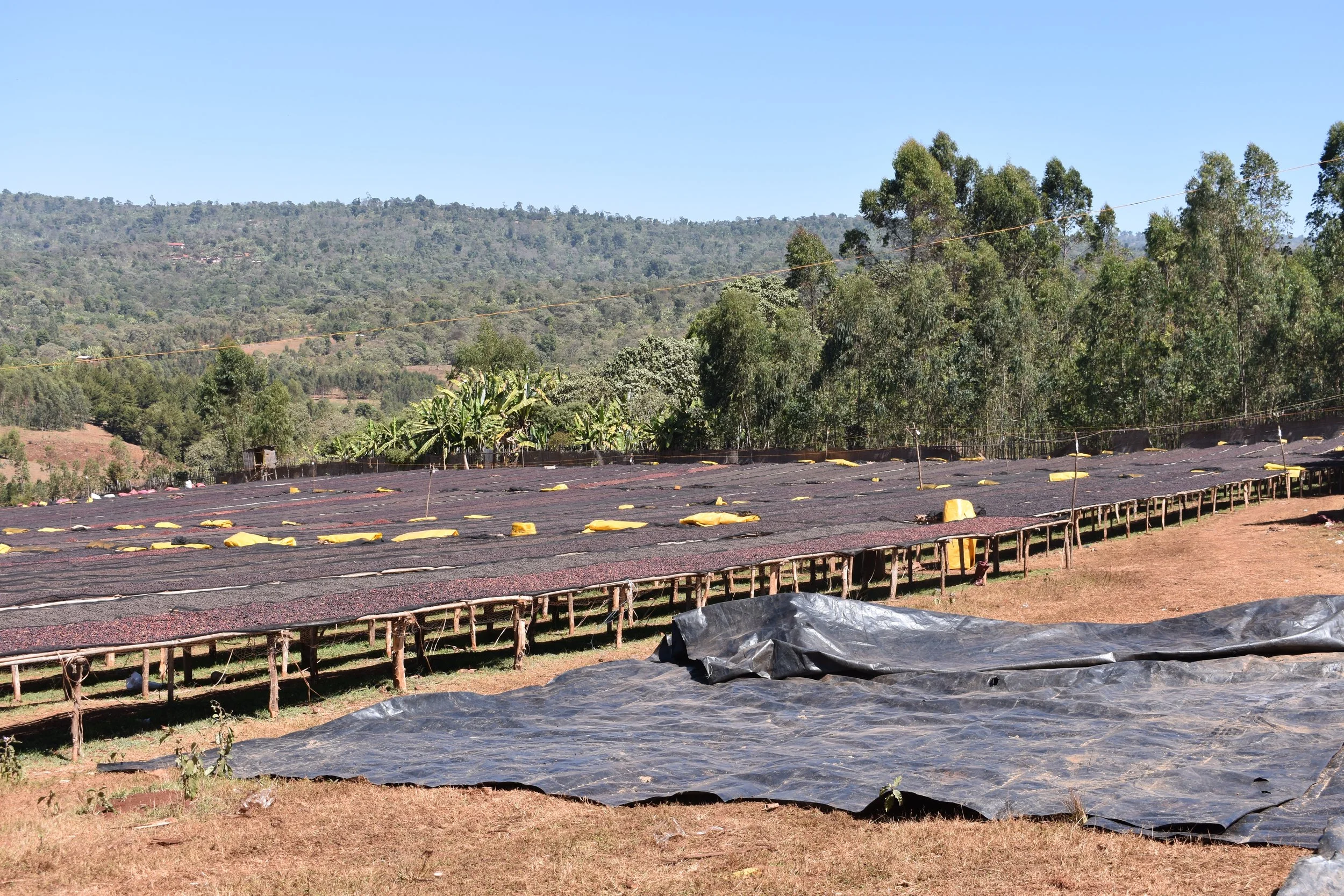
Cherries are first left to oxidise for one day before being de-pulped and then dried on raised beds for 25 days.
Jammy body, violet florals, blueberries & nectarines
Great for pourovers, drip filter machines, aeropress and cafetiere.
Best enjoyed on its own.
Key Origin Info:
Producer: Small-holder growers delivering cherry to Lalesa station
Processed at: Lalesa station owned and managed by Ephtah Speciality Coffee
Region: Gedeb woreda, Gedeo Zone, Southern Ethiopia
Altitude: 2000 masl
Variety: Cultivated landrace varieties
Process: Sorted, cleaned, dried on raised beds for one day, de-pulped and slowly dried for 25 days
Exporter: Ephtah Coffee | Importer: Falcon Speciality
Cup profile: Juicy mouthfeel, parma violet, papaya & peach
Purchase history: Since 2024 with Ephtah Coffees and Lalesa site (3rd season in 2026)
More about Lalesa & Ephtah Speciality Coffee:
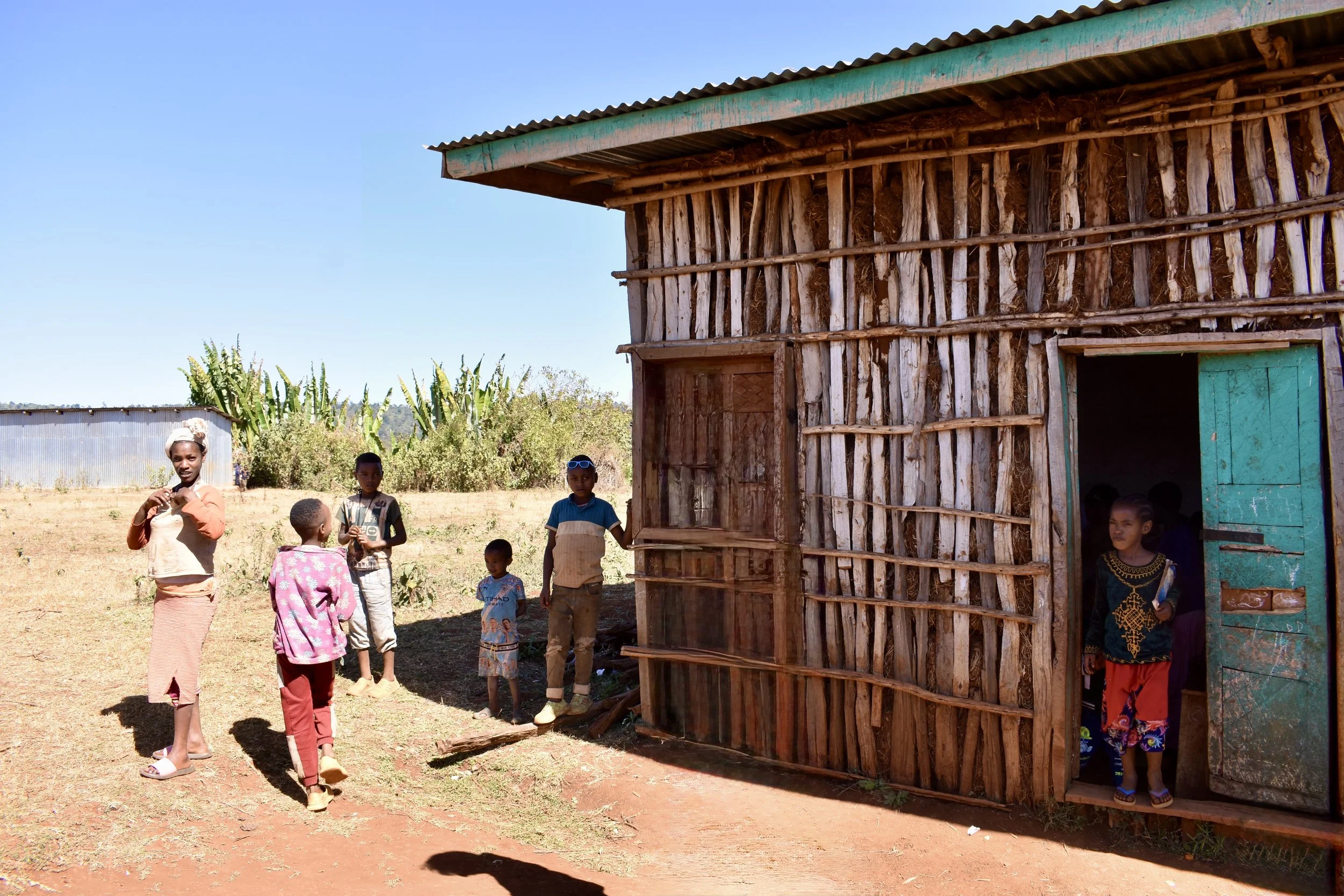
Lalesa is a processing site based in the Gedeb area of Guji Zone in southern Ethiopia, purchasing coffee from nearby small-holder growers.
The site is run by Ephtah - a community focused exporter. Established by Wubit Bekele, Ephtah is committed to delivering outstanding quality coffee whilst improving the lives within their communities, with particular focus on promoting the role of women as being the main drivers of positive social and economic change in Ethiopia.
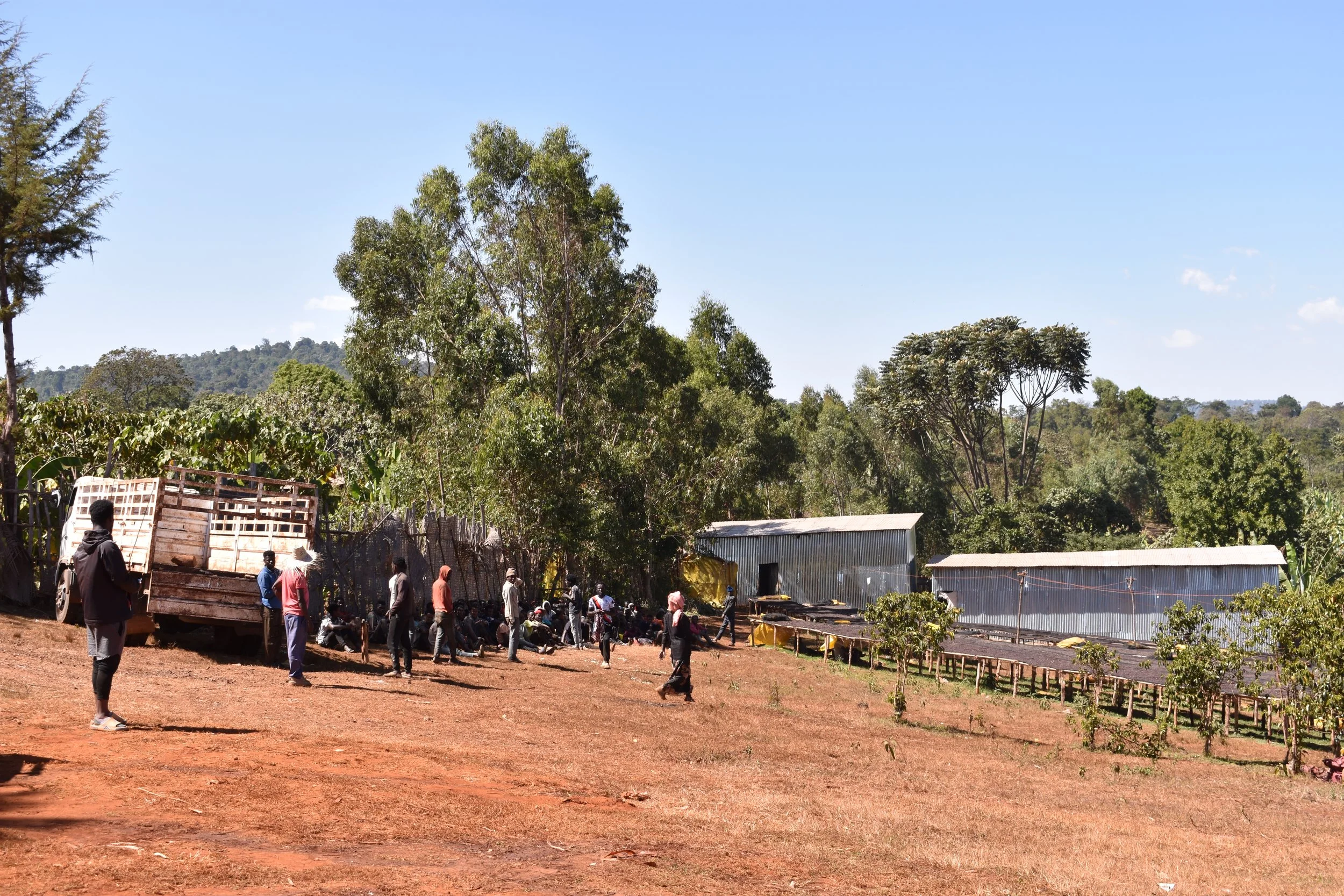
Lalesa station is Ephtah’s key processing station and the largest one if the Gedeb region. It employs 20 permanent staff and boasts 350 drying beds. During harvest the station provides income to further 250 seasonal workers.
This particular lot is processed as using Ephtah’s “black honey” method where sorted and cleaned cherries first undergo an oxidation on raised beds for one day prior to being de-pulped and then returned to raised beds to slowly dries under shade for 25 days. The processing approach is chosen to maximise quality, with careful cherry selection, controlled drying and close attention to the development of the lot during preparation. Once dried, the coffee is transported to Addis Ababa, where it is stored at Moplaco in Gerji. It is then prepared for export and moved by train to Djibouti before shipment.
One of the main challenges for this crop cycle has been the high price of cherry, alongside tighter access to finance linked to the National Bank of Ethiopia’s credit cap policy. Despite these constraints, Ephtah continues to invest in quality, infrastructure and farmer support at Lalesa, strengthening the site’s role as a key drying location for coffees from Gedeb and the surrounding area.
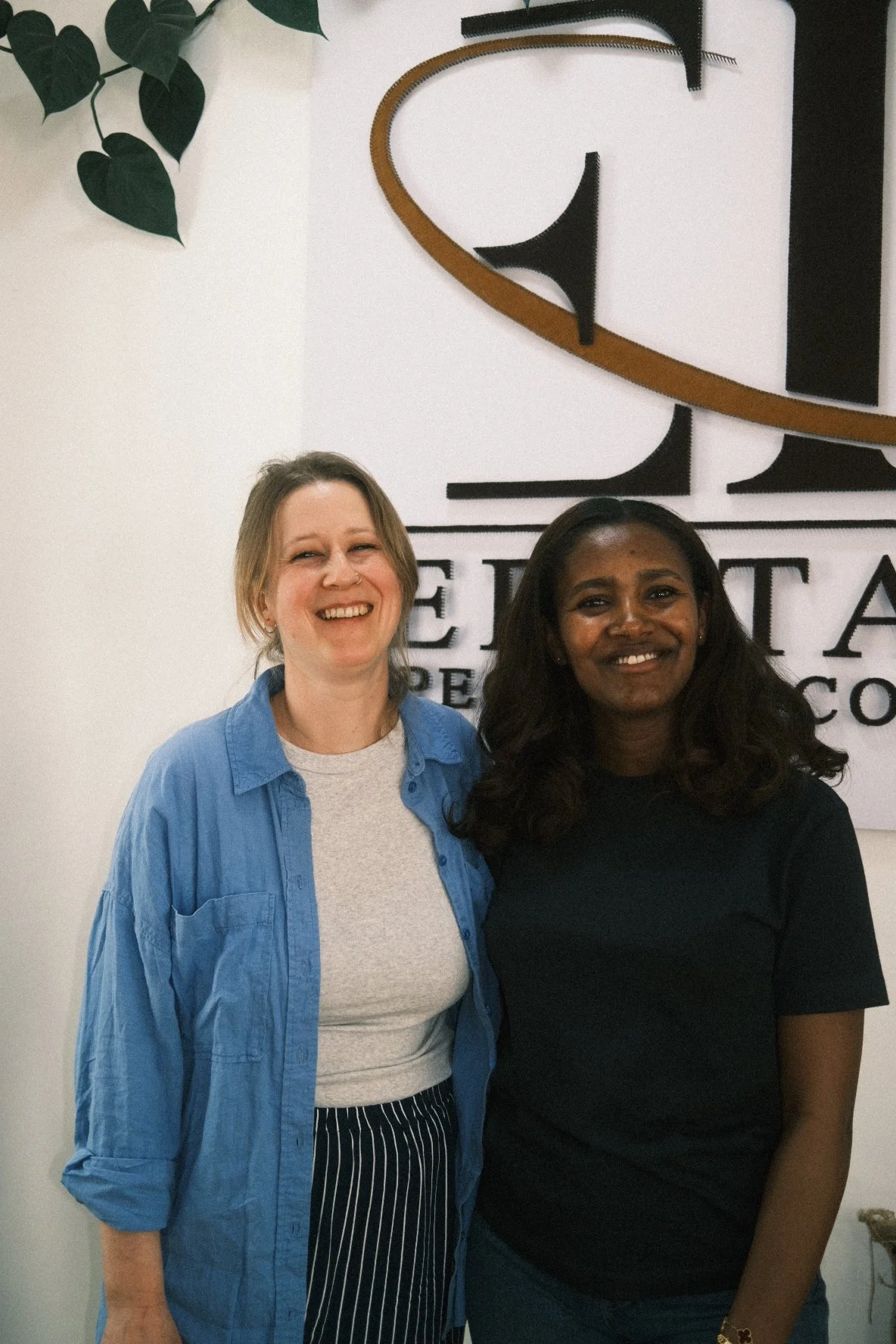
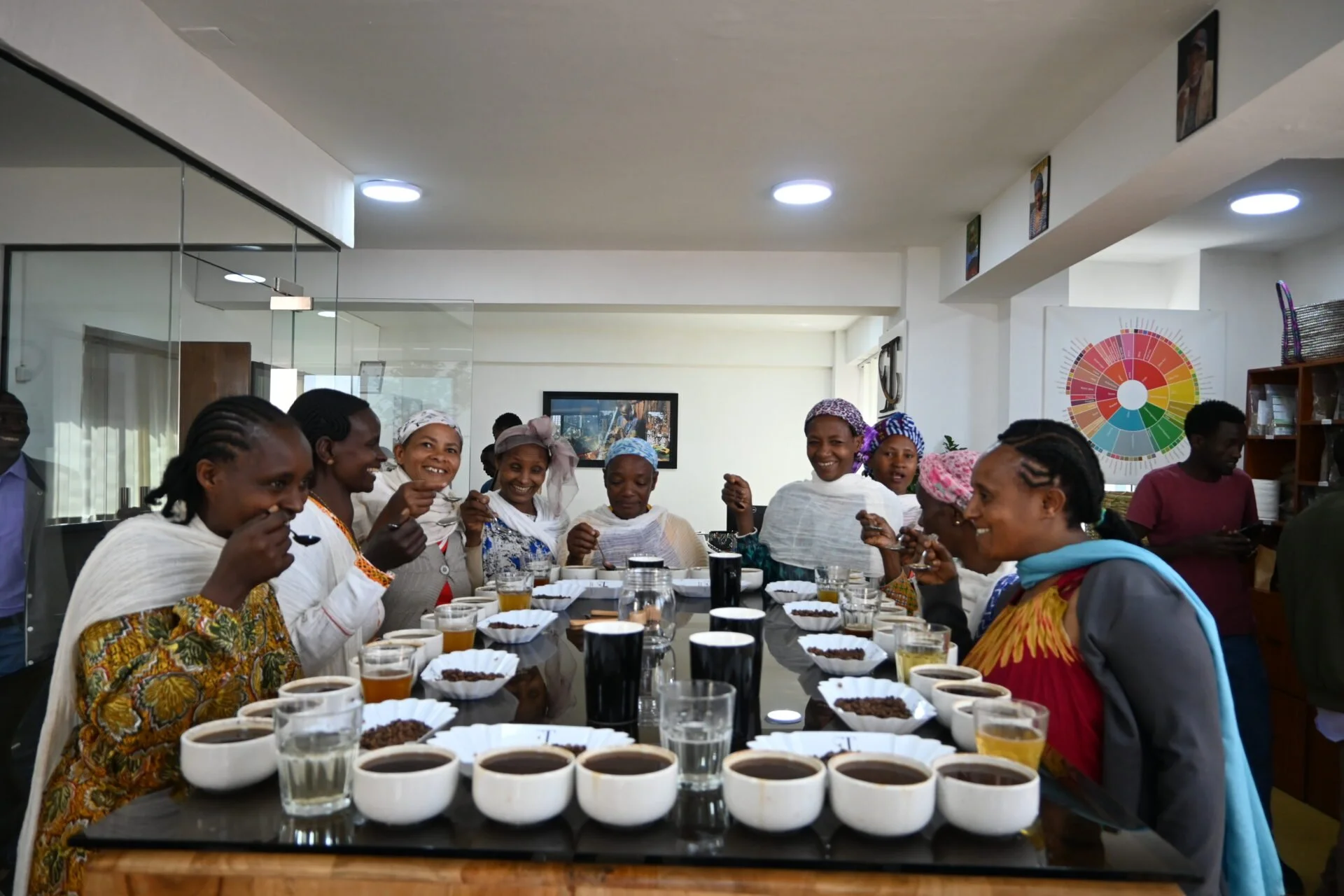
Earlier this year we had the immense privilege to travel to Ethiopia and visit Ephtah and Lalesa station and witness first hand the level of care, attention and incredibly hard work that goes into producing these outstanding coffees. Having met Wubit, the founder of Ephtah, we were just as impressed by her and her team’s determination, skills and work ethic as we were with Ephtah’s coffees. Wubit’s drive to deliver great coffee to clients while also supporting the farming communities and the women in there in particular is exactly why we’re so happy for Ephtah to be one of our key supplier partners for Ethiopian coffee for the last three years and we hope to continue working together for many years to come.