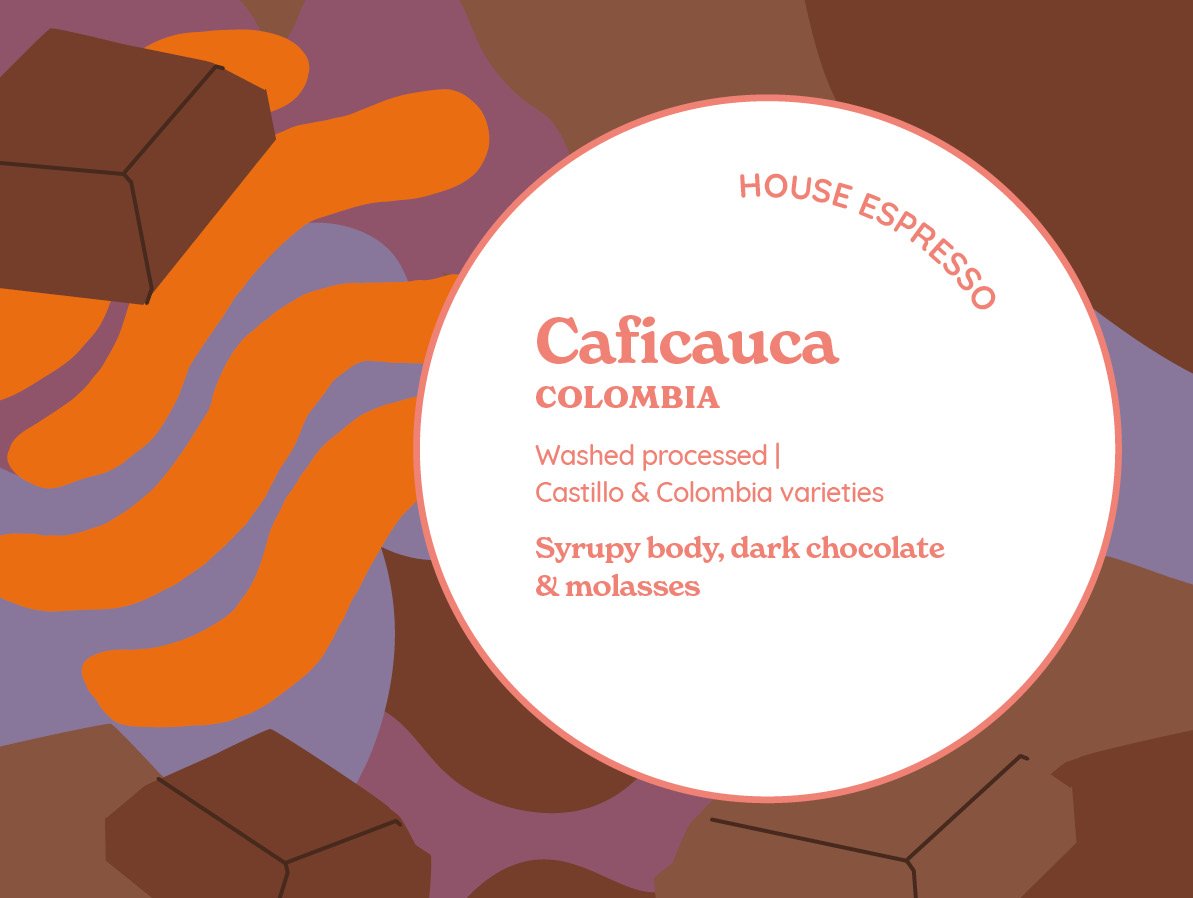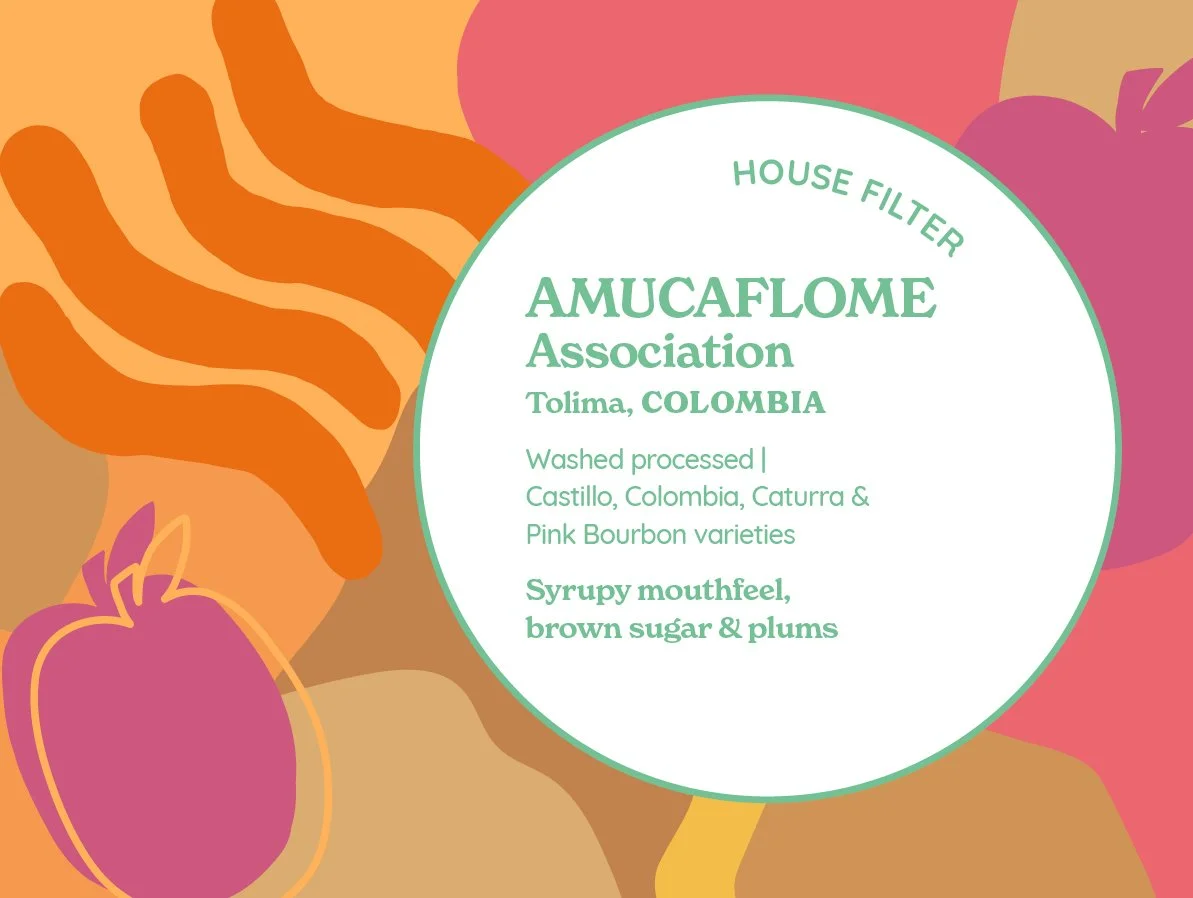

DECAF | SICEET Association | Colombia
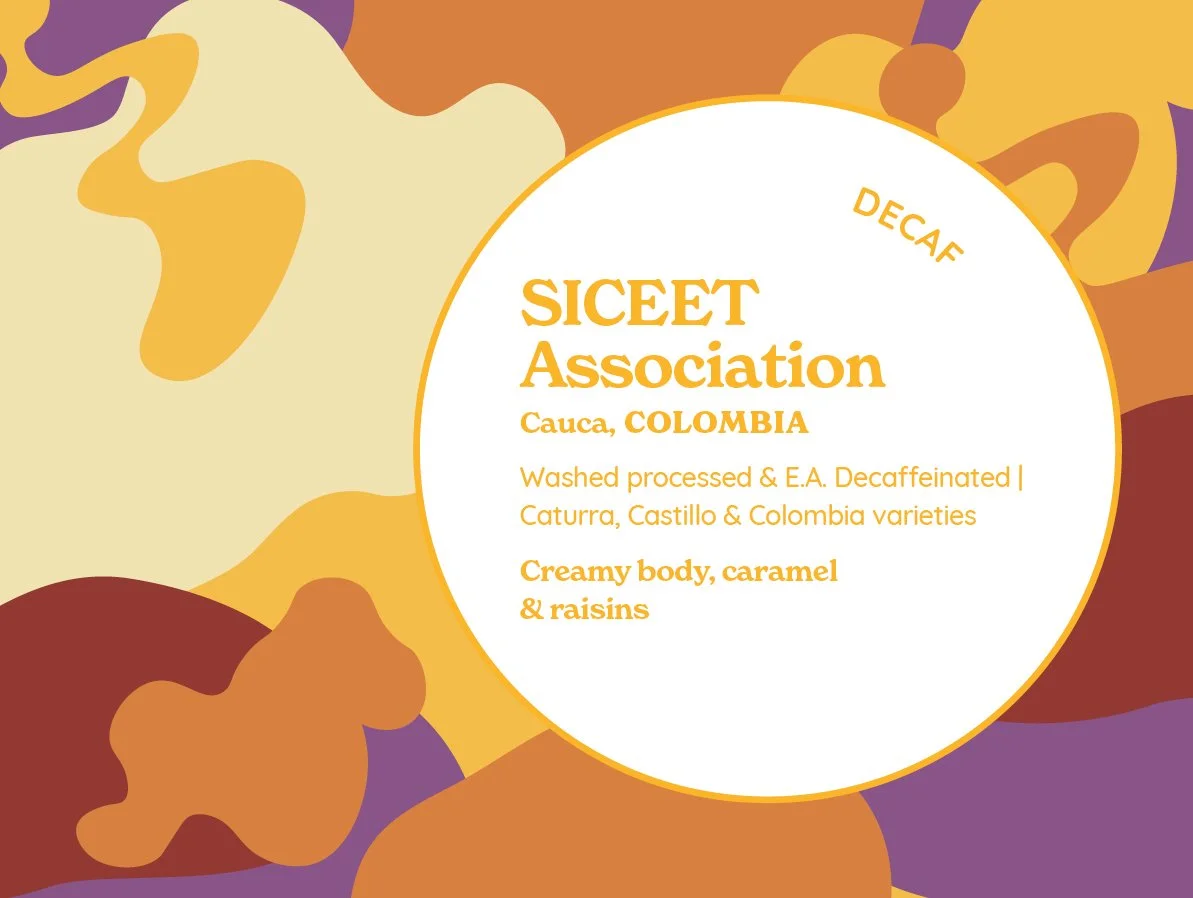
DECAF | SICEET Association | Colombia
For best results we would always recommend purchasing whole bean and grinding fresh before brewing. You can find great grinder options on our webshop.
If you don't have a grinder, we can grind according to your preferred brewing method just before shipping.
This coffee will suit most brewing methods from espresso and stove-top to aero press and cafetieres. Expect full body and syrupy mouthfeel. Will work well with various amounts of milk too.
SHIPPING & DISPATCH:
Our e-commerce orders are shipped Mon - Thu. Same day dispatch cut off is 12pm Mon - Wed and 3pm Thursday. Orders places after 3pm on Thursday are dispatched on Monday.
Key Origin Info:
Producer: Indigenous growers working together as the SICEET association
Processed at: each farmer’s wet mill
Region: Toribio municipality, Cauca department
Altitude: 1700 - 2100 masl
Variety: Field blend of predominantly Castillo, with small amount of Caturra and Colombia
Process: Washed processed and E.A. “Sugarcane” decaffeinated
Exporter: Siruma | Importer: Falcon
Cup profile: Creamy body, caramel & raisins
More about this coffee:
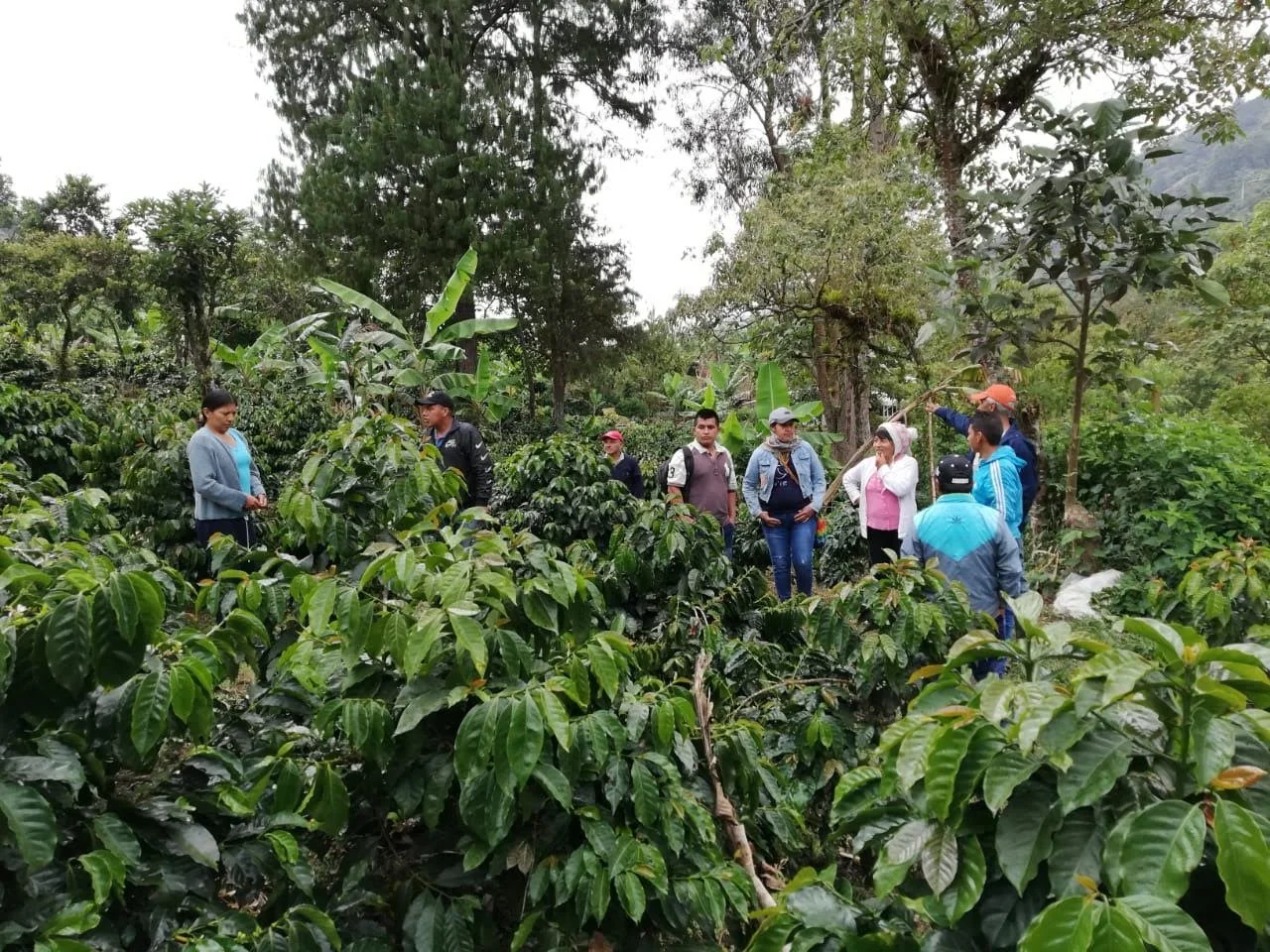
This regional lot is produced by the SICEET association based in the Toribio area within the Cauca region. SICEET is an association of indigenous coffee growers producing speciality coffee in and ecological manner, whilst protecting their ancestral land.
The association is comprised of families of small-scale coffee farmers of indigenous Nasa (also known as Paez people) heritage. Their farms are located in their three ancestral territories of Toribio municipality - Toribio, Tacueyó, and San Francisco. The whole of Cauca region and the Toribio area in particular continue to be greatly affected by the drug related guerrilla warfare and local people continue to be faced with serious danger posed by the various local armed groups. As a group, the SICEET association believes in resistance and perseverance and their purpose is, through quality coffee, to strengthen the local economy, improving the lives of their member families, strengthening the social fabric and ensuring generational continuity. With a strong bond to the land (Mother Earth) they are committed to producing specialty coffees in harmony with their living spaces and the natural world.
As they explain:
”Our high-altitude climate, between 1700 and 1900 meters above sea level, the volcanic soils, the air currents from the central mountain range, and the agroforestry systems provide unique conditions that contribute to the coffee's caramel and citrus aromas, resulting in an exquisitely smooth and sweet flavor. SICEET stands for Coffee farming for the family, the community, and our living spaces. Our goal is to increase market share in specialty coffees, positioning our brand as a leader in quality and sustainability, providing drinkers with an authentic flavour experience of quality coffee.”
This coffee, along with all our Colombian offering is purchased through our export partner Siruma. Once purchased by Siruma from the association the lot is sent to te Descafecol plant in Manizales, Cauca to be decaffeinated using the “Sugarcane” process. This process not only maintains great integrity of coffee’s flavour, but also ensures that the added value stays in producing country.
About the “Sugarcane” decaffeination process
Also known as E.A. - “ethyl acetate” decaffeination is a natural process that not only maintains great integrity of green-coffee flavour, but also allows us to offer a decaffeinated coffee that best supports a vertical supply chain. This is due to the fact that the growing, processing, and even the full decaffeination process all happens at the source in Colombia, meaning all value added by these processes stays within the country of origin and its communities.
How does it work:
The washed and dried green coffee is received at the decaffeination plant and it is steamed for approx. 30 minutes. A low-pressure steaming process opens the pores of the coffee, allowing for caffeine extraction.
Coffee is placed in a solution of water and Ethyl Acetate (E.A.), a naturally occuring compound and solvent derived through the fermentation of sugarcane. While submerged in the solvent, E.A. naturally bonds to the salts of chlorogenic acids within the coffee, allowing for the extraction of caffeine.
Once the solvent is saturated, the tank is drained and fresh solution is introduced. This continues for about 8 hours.
After the last of the caffeine has been extracted, the coffee is removed from the solution and prepped for another steaming. The final low-pressure steaming removes the remaining traces of E.A.
Decaffeinated coffee is then dried, physically polished to ensure cleanliness, and packaged for export.