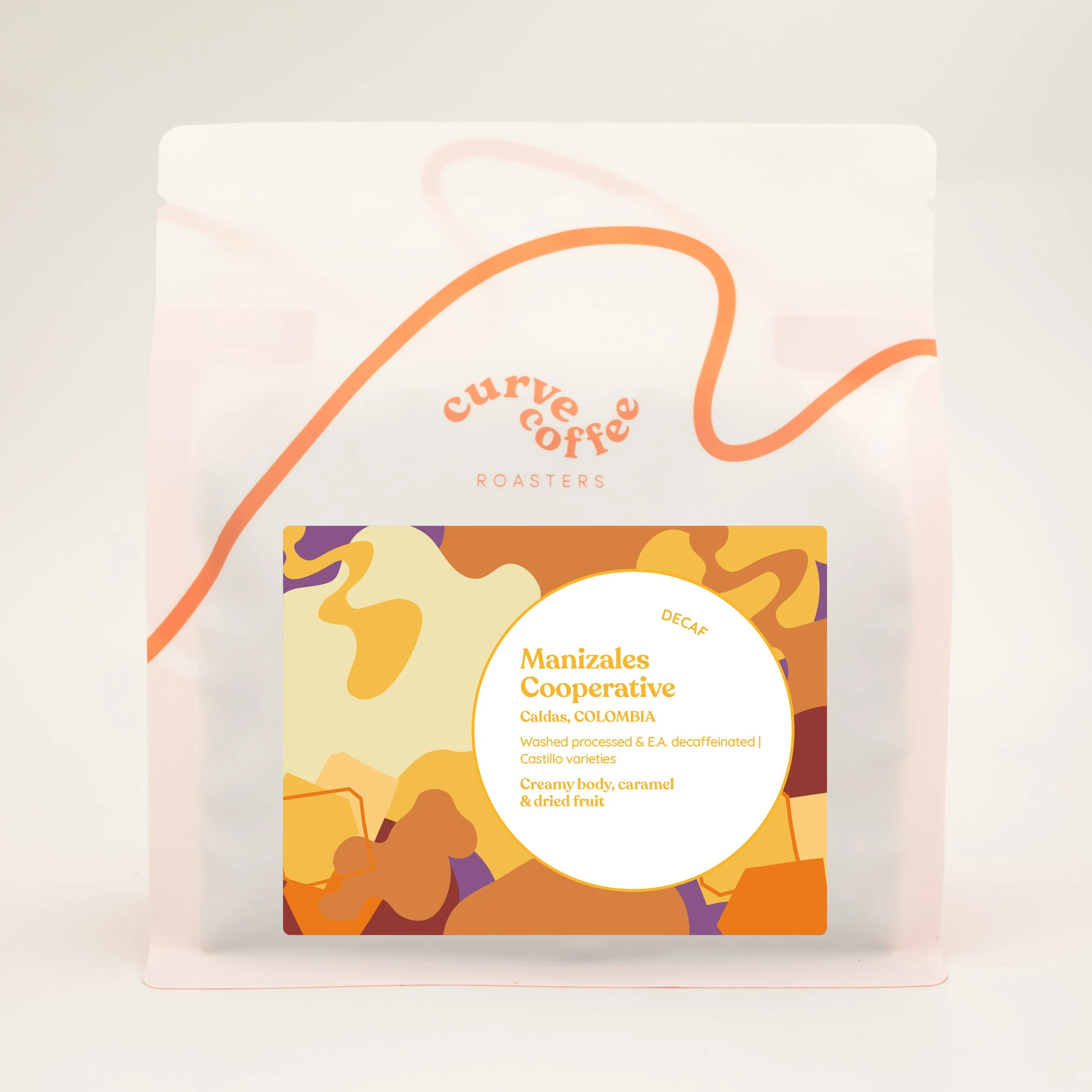
FEATURE FILTER | Bookkisa (Washed) | Ethiopia
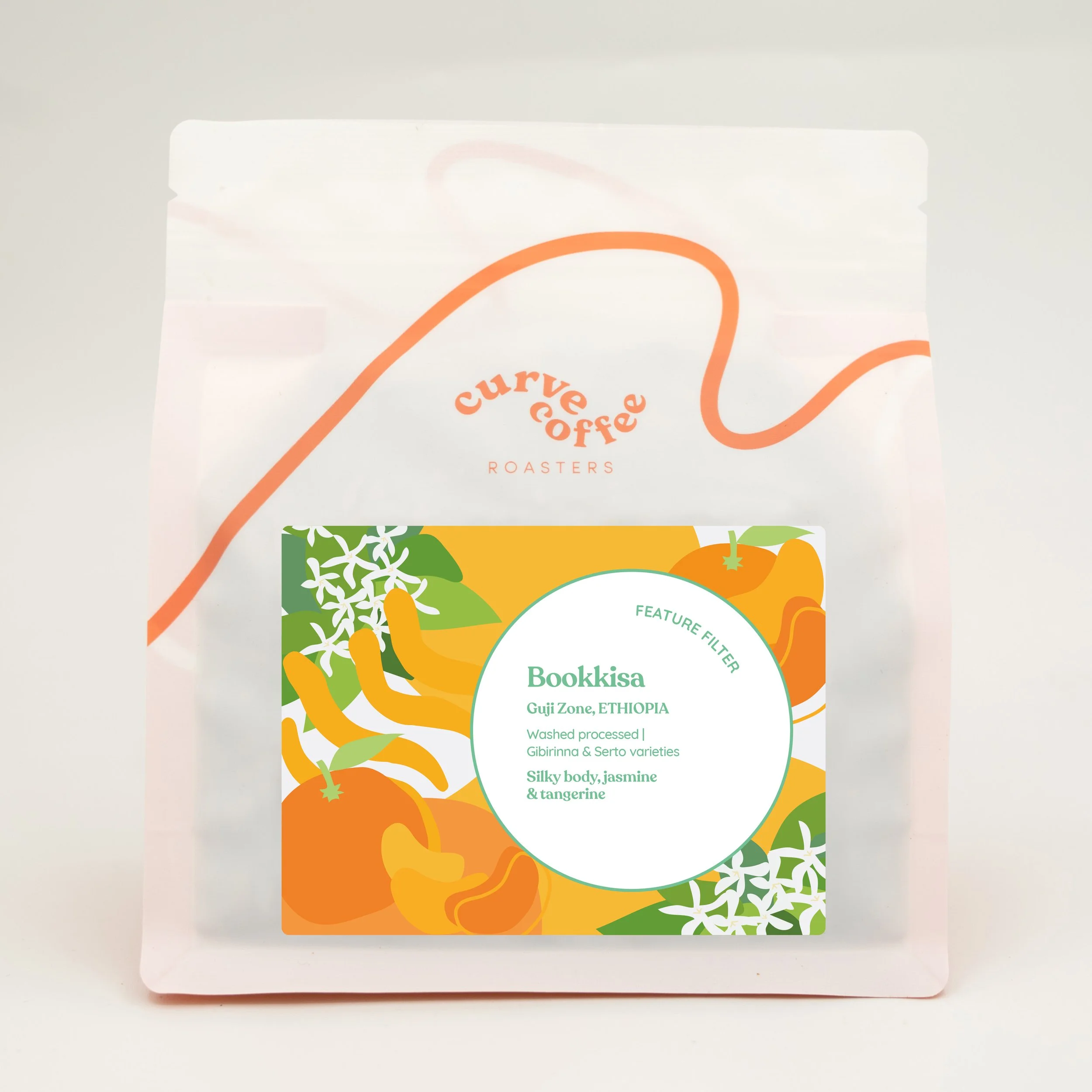

FEATURE FILTER | Bookkisa (Washed) | Ethiopia
Washed processed lot of local landrace and JARC varieties produced at Bookkisa processing site run by Sookoo Coffee in Ethiopia’s Guji region.
Silky body, jasmine & tangerine
Great for pourovers, drip filter machines, aeropress and cafetiere.
Best enjoyed on its own.
Key origin info:
Producer: Smallholder growers, based around the Bookkisa locality within West Guji Zone
Processed at: Bookkisa washing station owned and managed by Sookoo Coffee
Region: West Guji, Oromia
Altitude: around 2000 masl
Variety: Local cultivated landrace varieties
Process: Washed; de-pulped, fermented, washed and dried on raised beds
Exporter: Sookoo Coffee | Importer: Osito
Cup profile: Silky body, jasmine & tangerine
Purchasing history: 5 seasons (3rd year via Osito 2026)
More about Bookkisa & Sookoo Coffee:
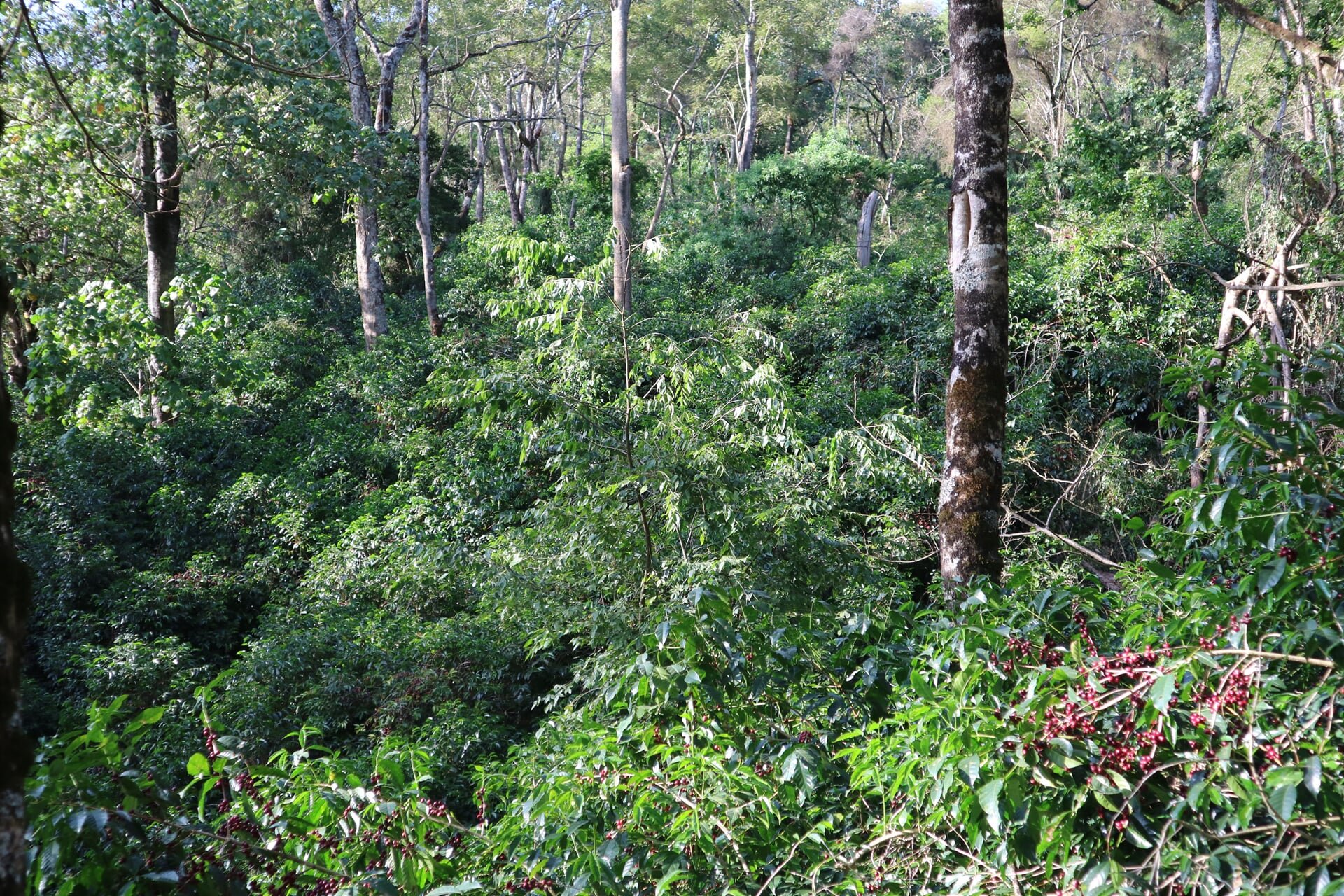
This lot has been cultivated and harvested by small-holder farmers within the Bookkisa hamlet of West Guji Zone within the larger Oromia region.
As is common in Ethiopia, and many other African coffee producing countries, growers harvest the coffee cherry which they sell to a nearby washing or processing station. In this case the processing station is owned and operated by Sookoo Coffee - a processing and exporting company led by Ture Waji. Ture is a driven young entrepreneur with strong connections to the land, its community and farmers, famously known in the region as ‘The King of Guji’. He has lived and worked in the region his entire life. Previously working as Quality Specialist and Manager at the Mormora Estate and Guji Highlands Coffee Company, he became renowned as one of the most skilled producers of natural processed Ethiopian coffees. In 2018, along with his partners Eegata Alaka and Fedhasa Wodessahe they founded a new venture - Sookoo Coffee.
Sookoo focus predominantly on producing naturally processed coffees but in recent years they have also started experimenting with the production of some washed coffees, and with exceptional results. Coffee cherries are sourced from the surrounding ‘kebeles’ (localities), cultivated, harvested and delivered by local growers. Each lot processed at the station is then named after the kebele from which the cherry comes (e.g. Shoondhisa, Bookkisa, Daannisa etc).
As well as operating drying stations Ture and the team spend time between harvests providing education to growers, training them in good agricultural and harvesting practices.