Nagare Espresso: Lalesa (Natural) | Ethiopia
Selected by us as the house espresso for our friends at Nagare Coffee
Key Origin Info:
Producer: Smallholder growers delivering cherry to Lalesa station
Processed at: Lalesa station owned and managed by Ephtah Speciality Coffee
Region: Gedeb woreda, Gedeo Zone, Southern Ethiopia
Altitude: 2000 masl
Variety: Local landrace varieties & JARC (Jimma Agricultural Research Centre) selections
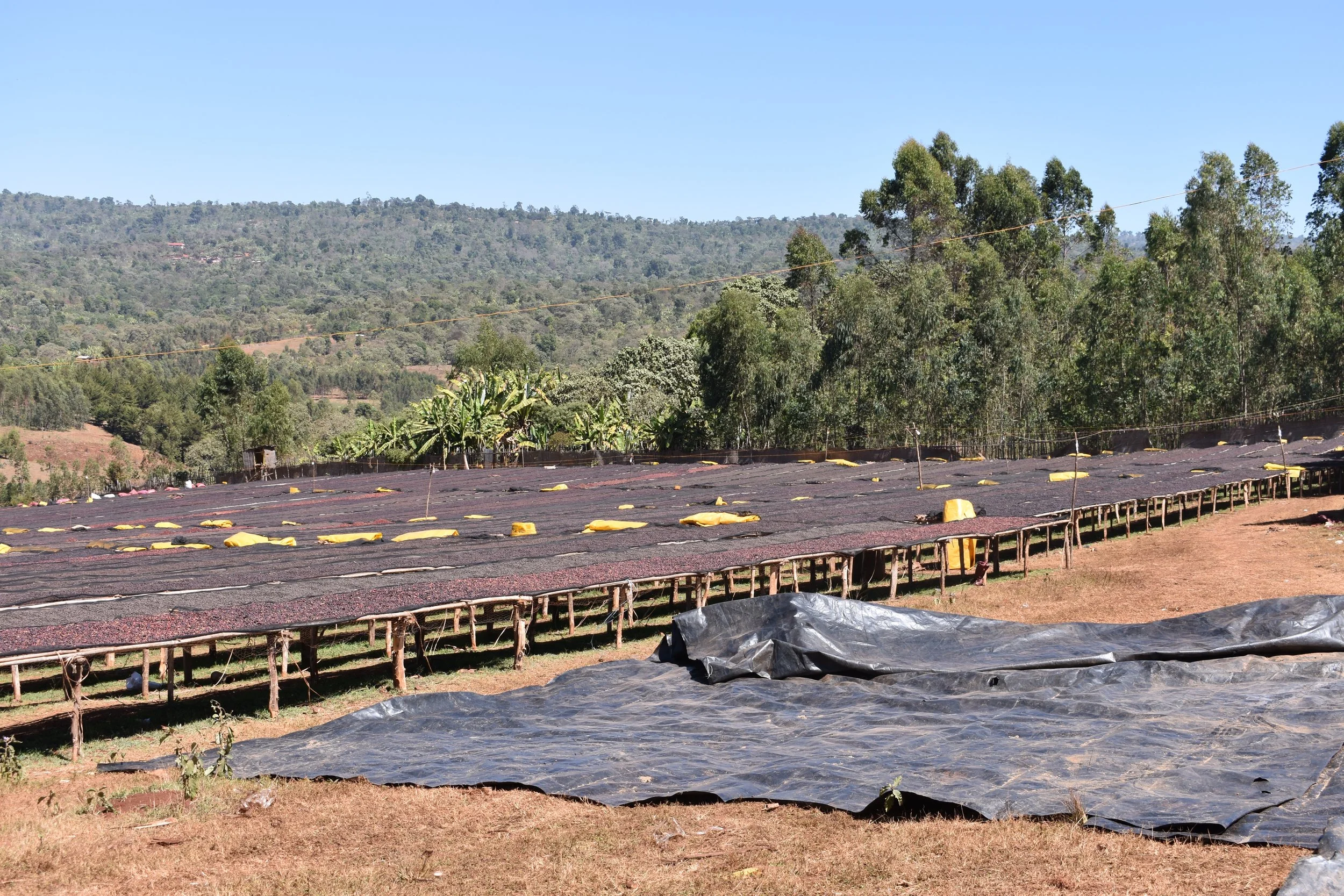
Process: Sorted, cleaned & dried in cherry on raised beds
Exporter: Ephtah Coffee | Importer: Falcon Speciality
Cup profile: Jammy & floral, violet, blueberry & nectarine
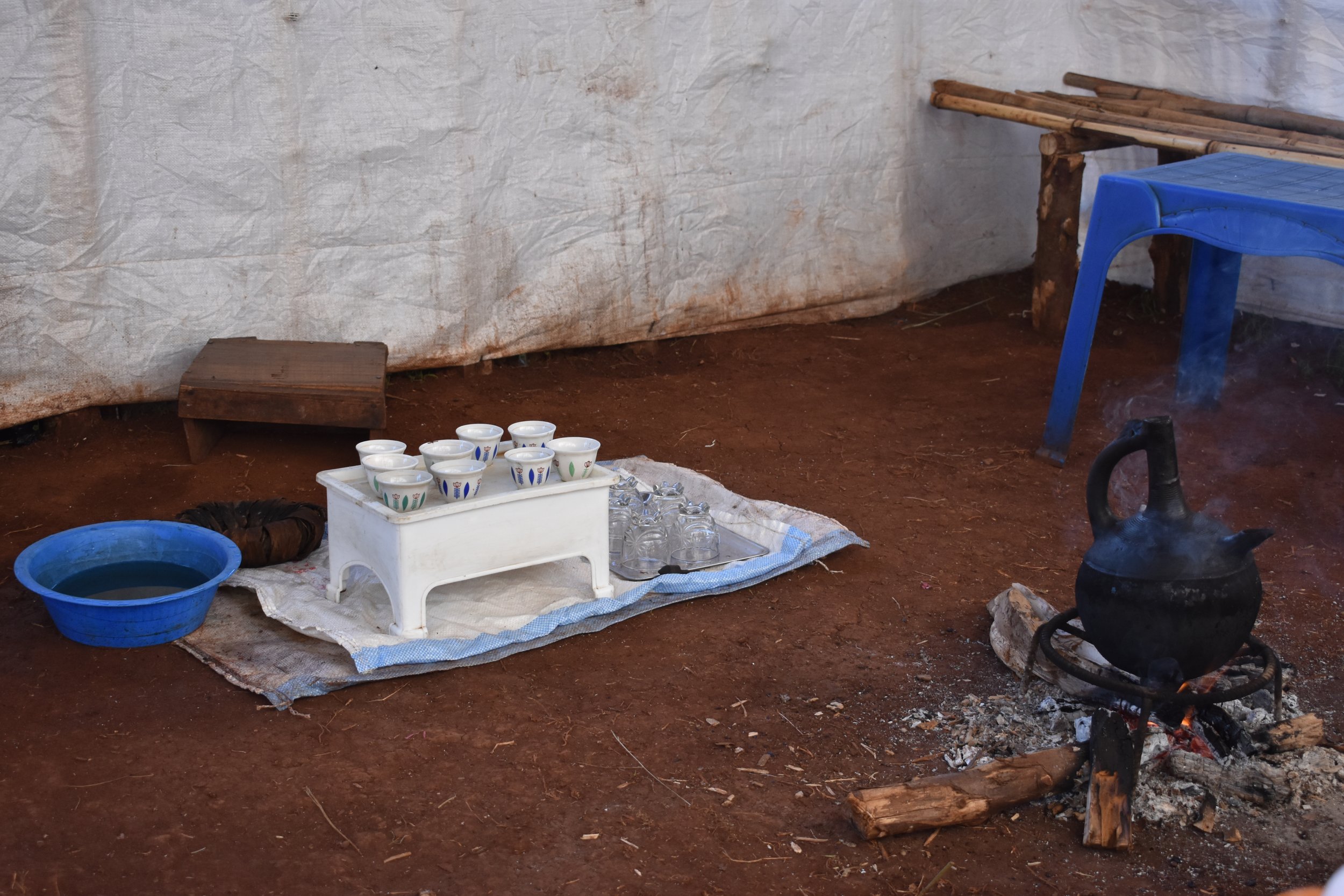
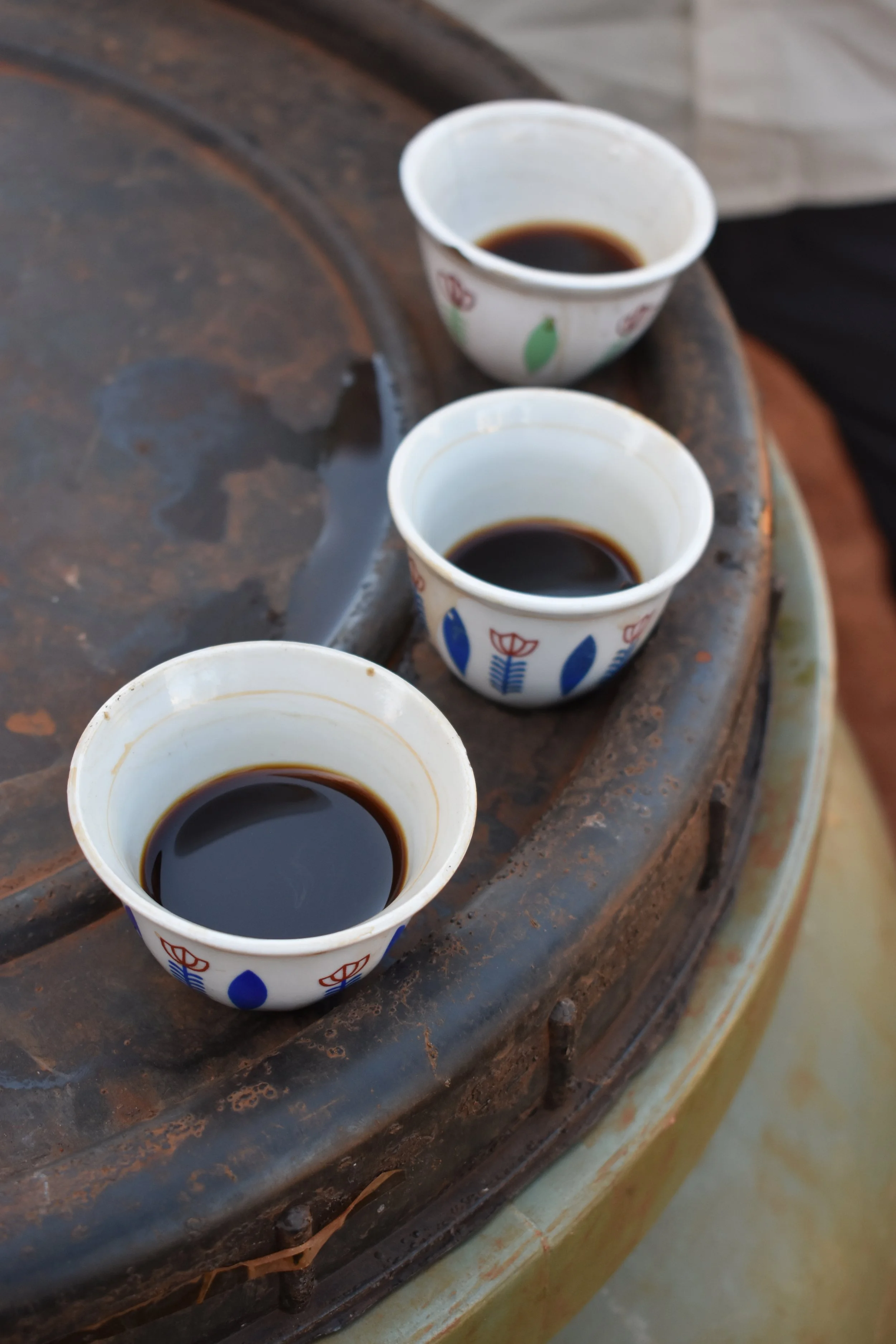
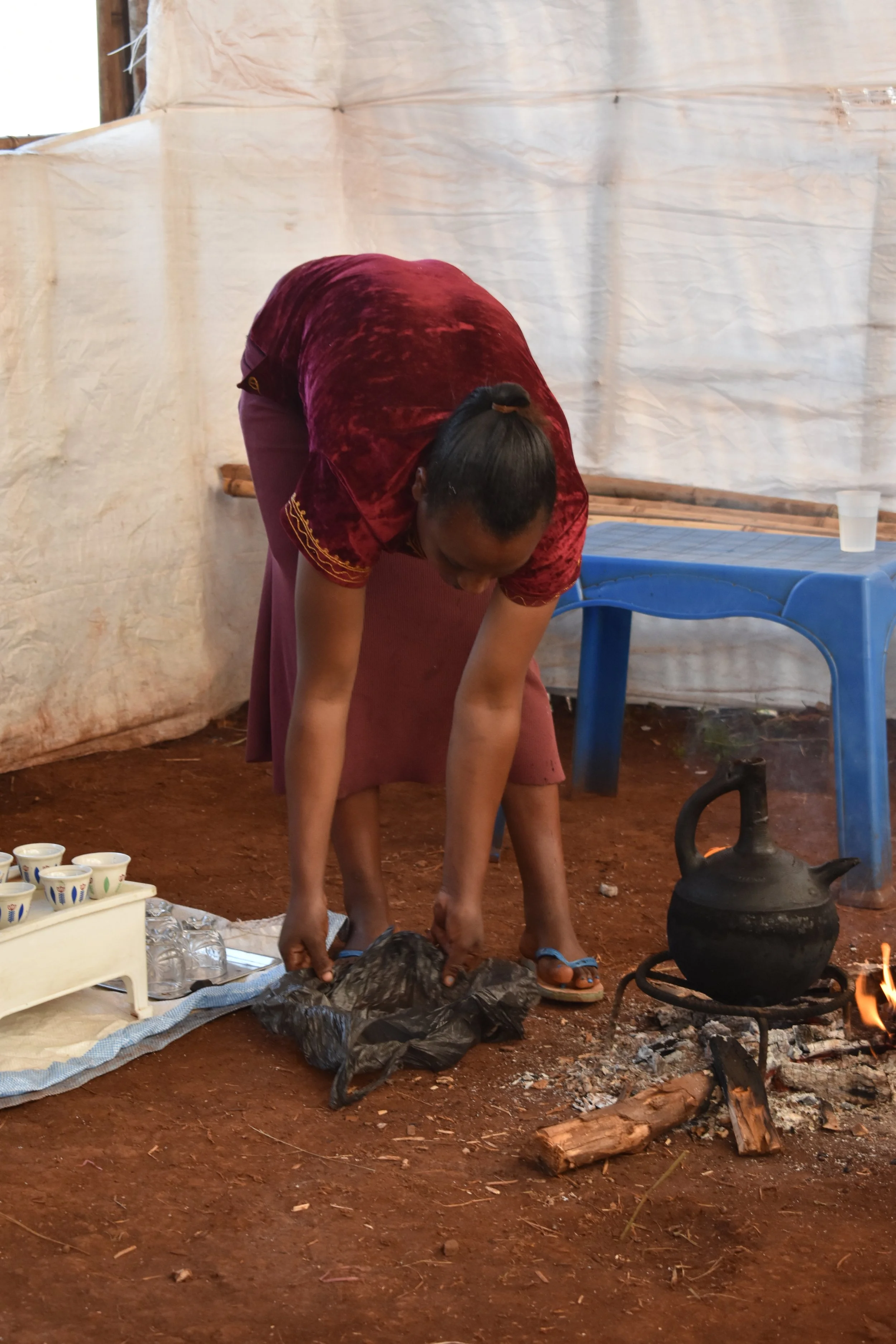
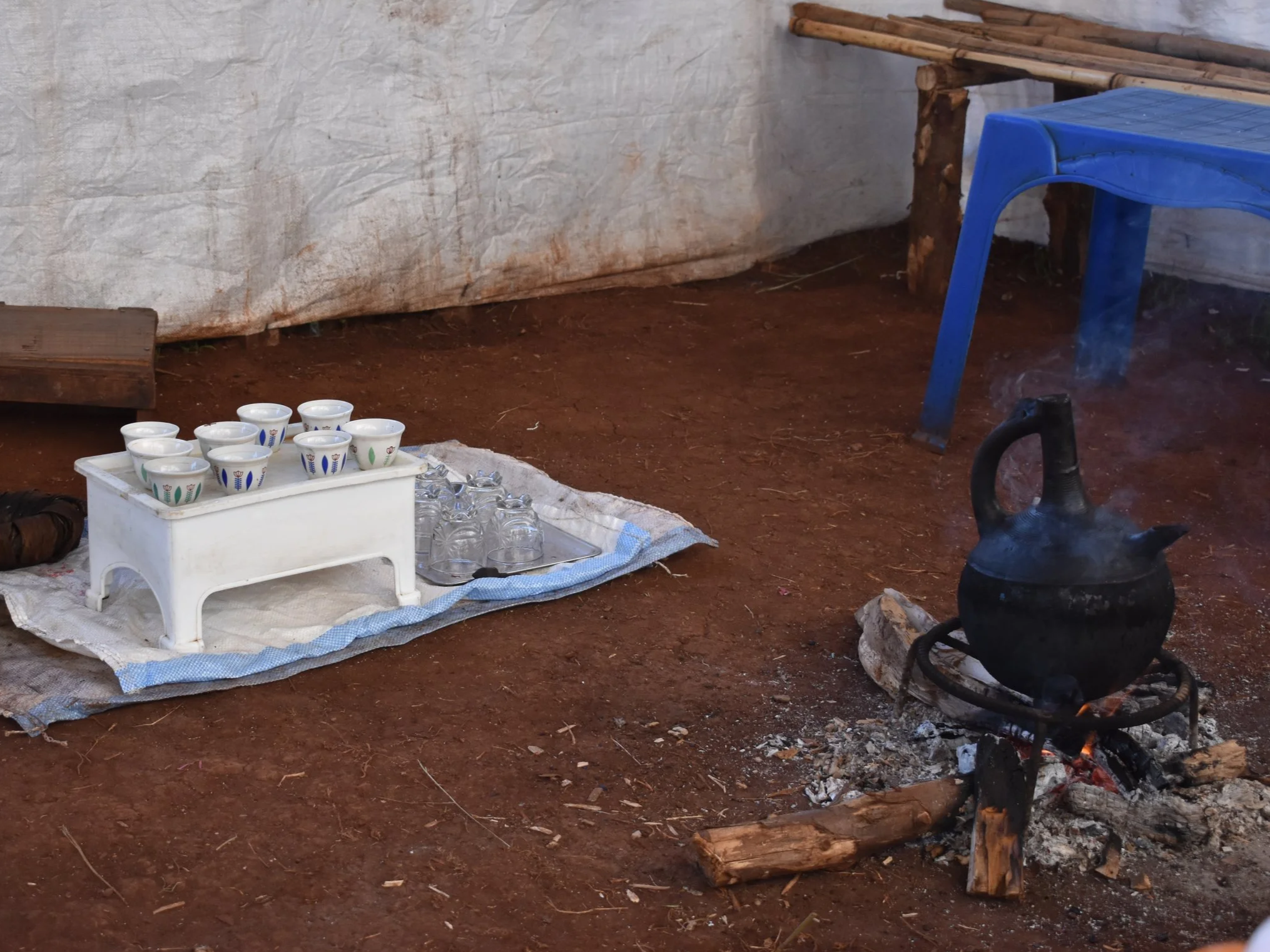
Traditional coffee ceremony at Lalesa processing site
More about Lalesa & Ephtah Coffee:
Gedeb & the coffee year
Gedeb sits in Gedeo Zone in southern Ethiopia and is home to over 300,000 people. Gedeoiniya is the main language, the New Year festival falls on 18 January, and enset (the “false banana”) is the staple food. Enset also shades the coffee: farmers here grow their trees naturally beneath its broad leaves.
Ethiopia’s year is broadly divided into three seasons. The short Belg rains (February–May) bring the coffee into flower, and the main Kiremt rains (June–September) carry the fruit through to ripeness. Then comes Bega (October–January), the drier season and the time for picking and drying. In the south, where Gedeb sits, the pattern is less clear-cut, and a second spell of rain often arrives in October and November. At Lalesa, harvest runs from late November into January.
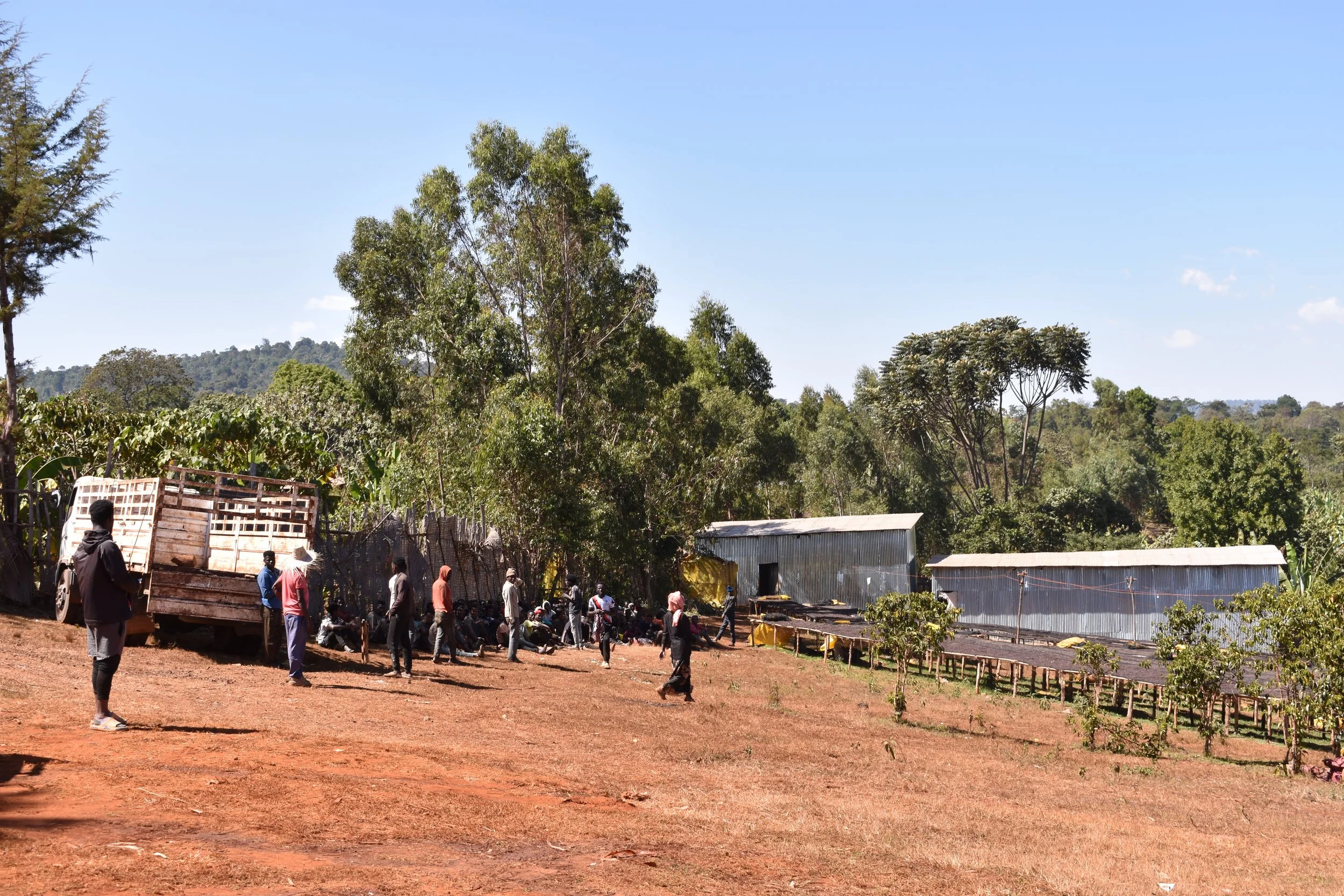
Lalesa processing station
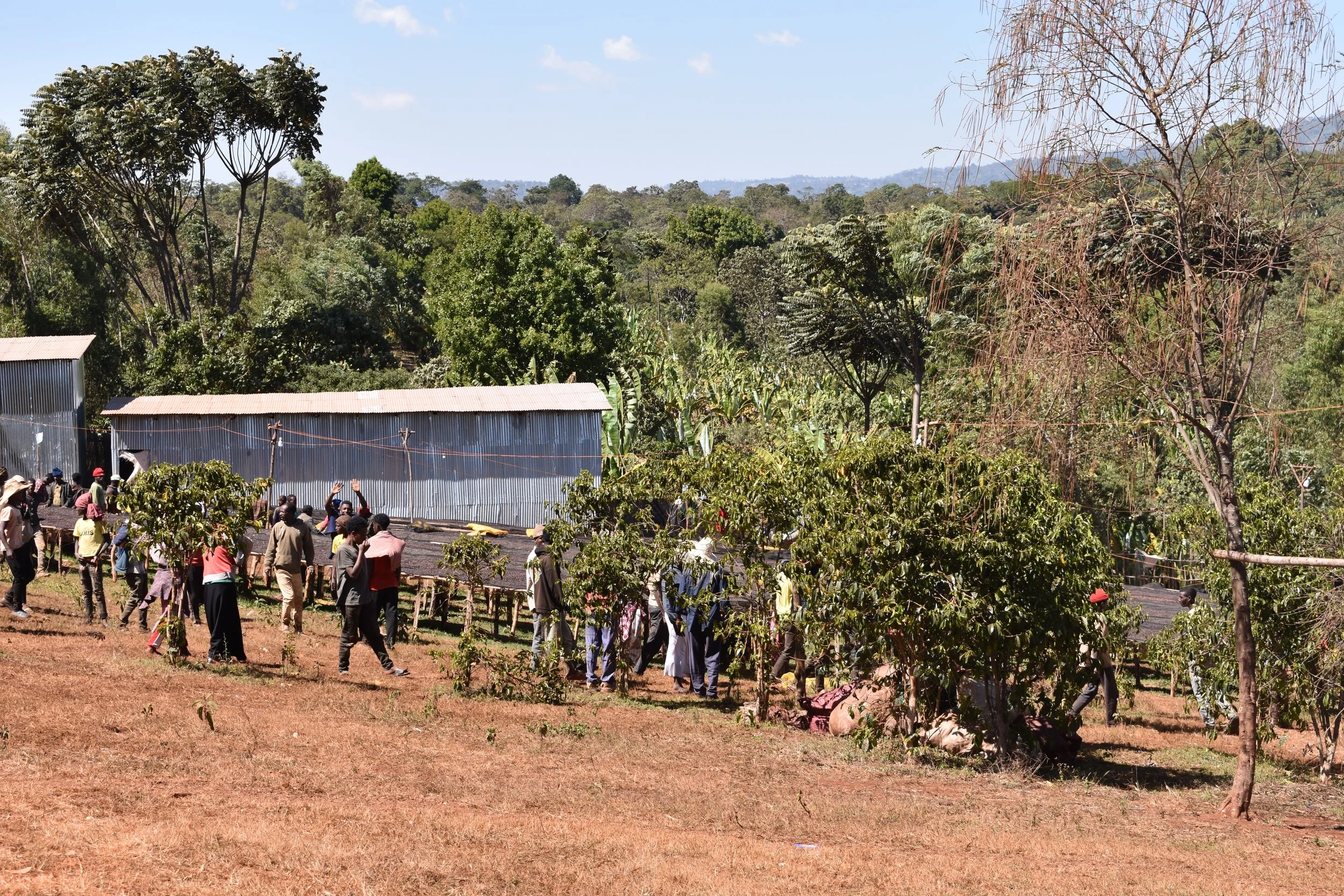
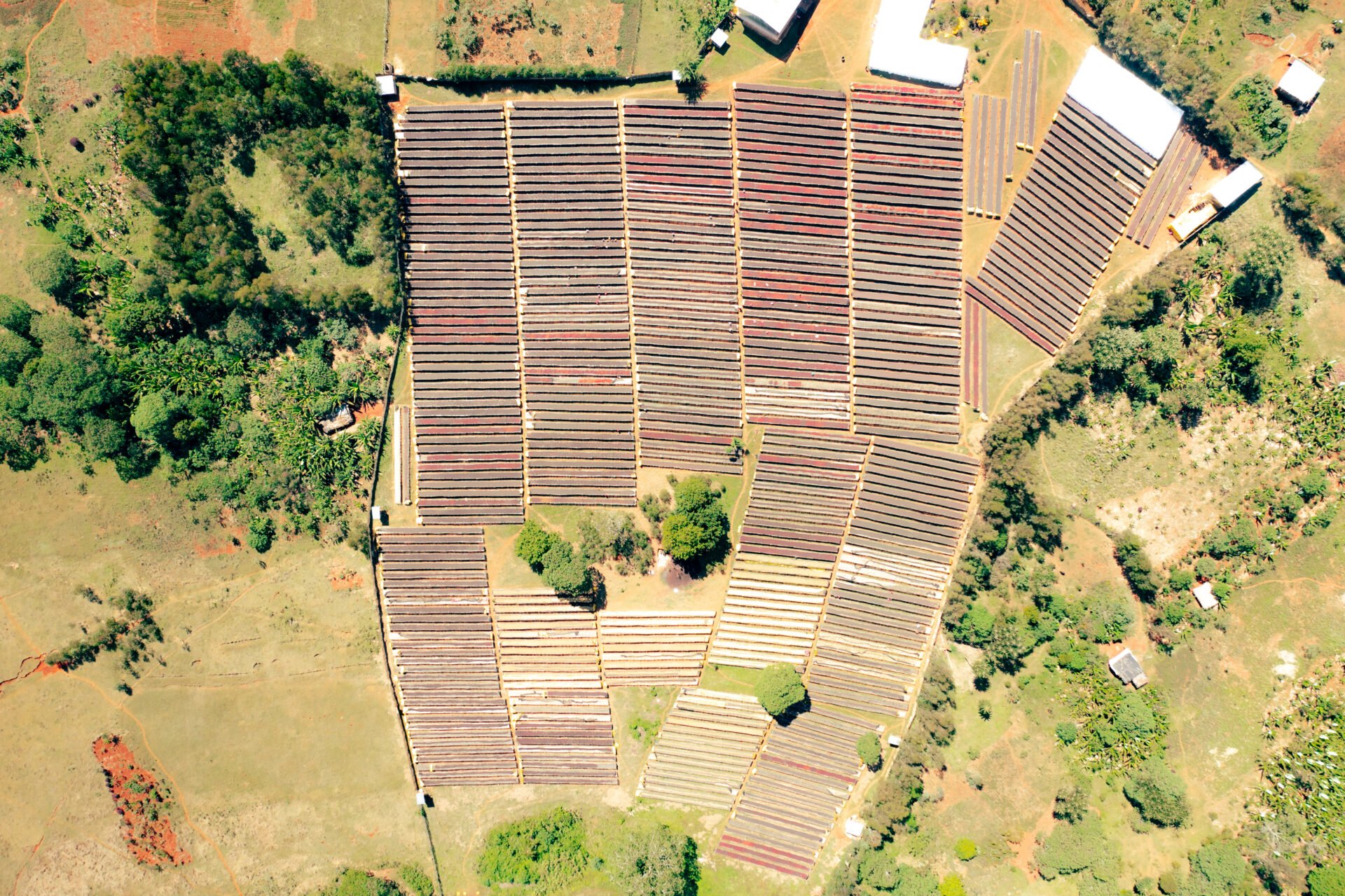
Lalesa is Ephtah’s key processing station and the largest washing and drying site in Gedeb. It employs 20 permanent staff, has 350 drying beds, and provides income for a further 250 seasonal workers at harvest. The station buys the best cherry from farmers nearby. Farmers are paid on delivery, followed by second payments and quality premiums, and Ephtah also helps with school fees.
Founded by Wubit Bekele, Ephtah is a community-focused exporter committed to outstanding quality and to improving lives in the communities it works with. Its particular focus is women, whom it sees as the main drivers of social and economic change in Ethiopia.
As Ephtah explains:
The majority of low paying seasonal labour is provided by women but very few farms are women owned. In addition, those farms are often less productive as women have less access to resources – primarily inputs, finance, and training. Our approach has two main pillars:
1. Providing women with the skills and knowledge to enhance economic empowerment – Ephtah provides training programs around production and quality analysis to help improve women’s knowledge and confidence. This often leads to an improvement in their access to finance which can lead to dramatic improvements in their standard of living.
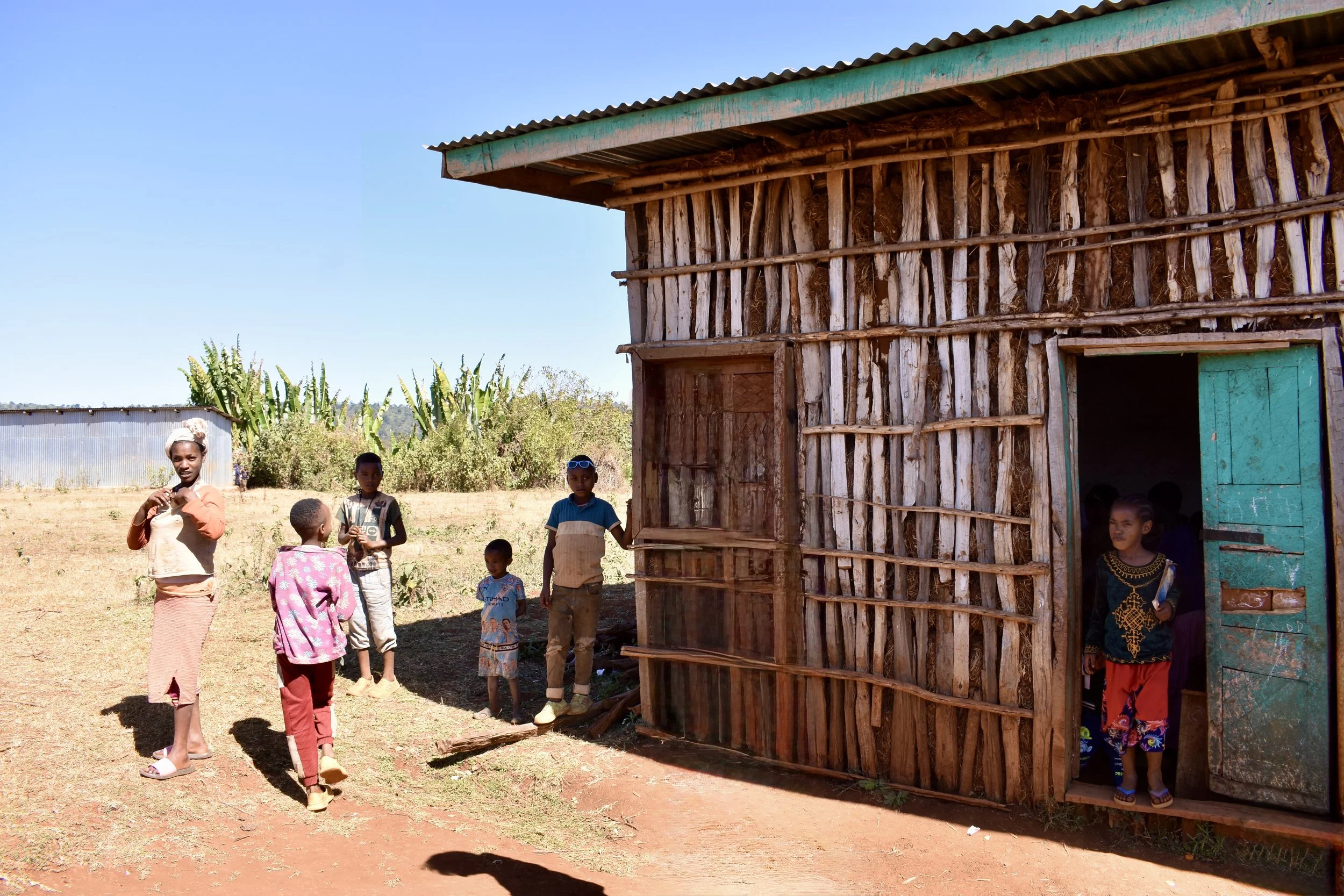
2. Strengthening women’s voice and participation in decision making and leadership – Ephtah helps to create safe spaces for women in the communities we source from. We collaborate with local groups to encourage women in the community to become involved in local decision-making processes and leadership positions. Ephtah further supports women through the Ama Commitment, with initiatives including diversifying sources of income and running a daycare centre for growers’ children during harvest time.
Ephtah keeps investing in the site. Its plans include expanding the Ama Commitment, building a water tank for flotation, adding more drying beds, and growing additional crops on the land to supply local markets. During the 2025 season, financial constraints have been a significant challenge due to the National Bank of Ethiopia's policy to control inflation. However, Ephtah is committed to ongoing investment and development, including expanding drying facilities and supporting local farmers.
Harvest & processing
This lot was processed as a classic natural. The coffee is naturally grown under shade trees, primarily Ensete (false banana tree). Nearby farmers harvest and sell cherries to Lalesa where they are sorted for quality to ensure only fully ripe cherries are processed further. The cherries are then carefully dried on raised beds for 12–15 days, while local women handpick the beans along the way. Once dried, the coffee is stored at Moplaco in Gerji, Addis Ababa, before travelling by train to Djibouti for export.