Feature Filter: Perlamayo | Perú
Key Origin Info:
Producer: Perlamayo community of coffee growers
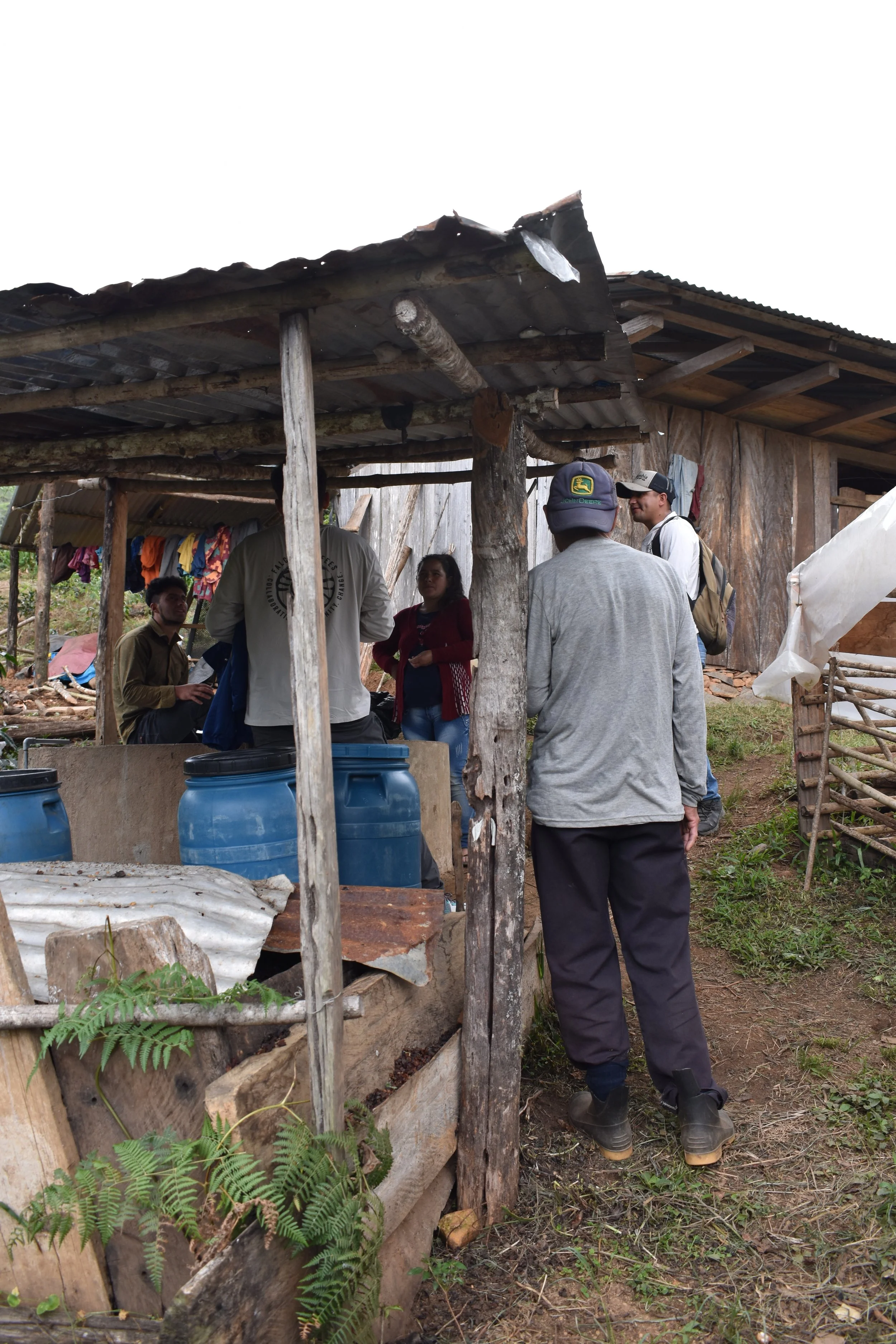
Processed at: each grower’s own wet mill and drying facilities
Region: Perlamayo area, Huabal District, San Ignacio Province, Cajamarca
Altitude: 1900-2000 masl
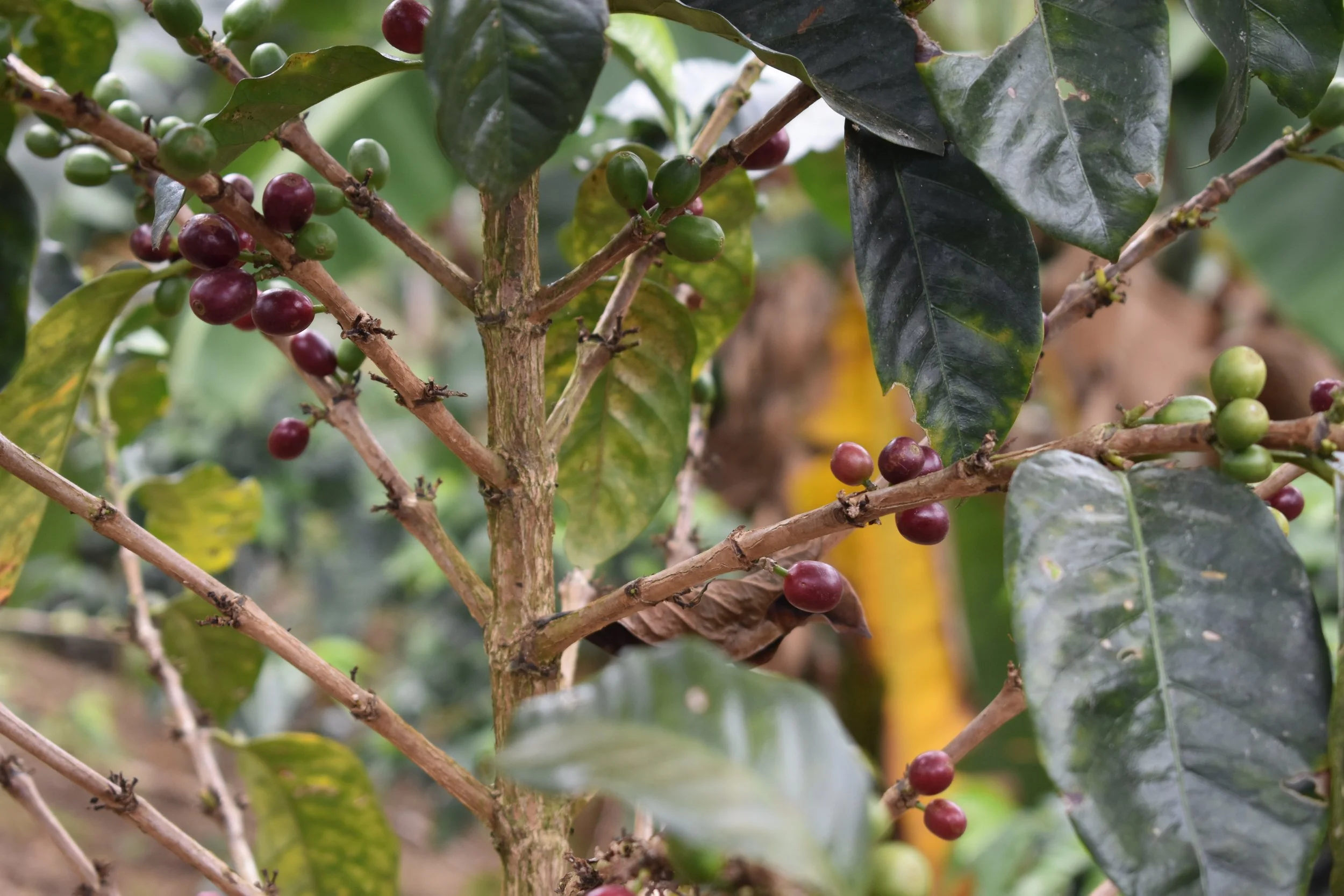
Variety: Caturra, Gesha, Bourbon & Pache
Process: Washed; rested in cherry for 24-48 hrs, de-pulped, fermented, washed and dried on raised beds
Exporter: Falcon Coffees | Importer: Falcon Speciality
Cup profile: Juicy, orange blossom, blackcurrant & maple syrup
Purchase history: Falcon Coffees Peru since 2019, Rioja family since 2020
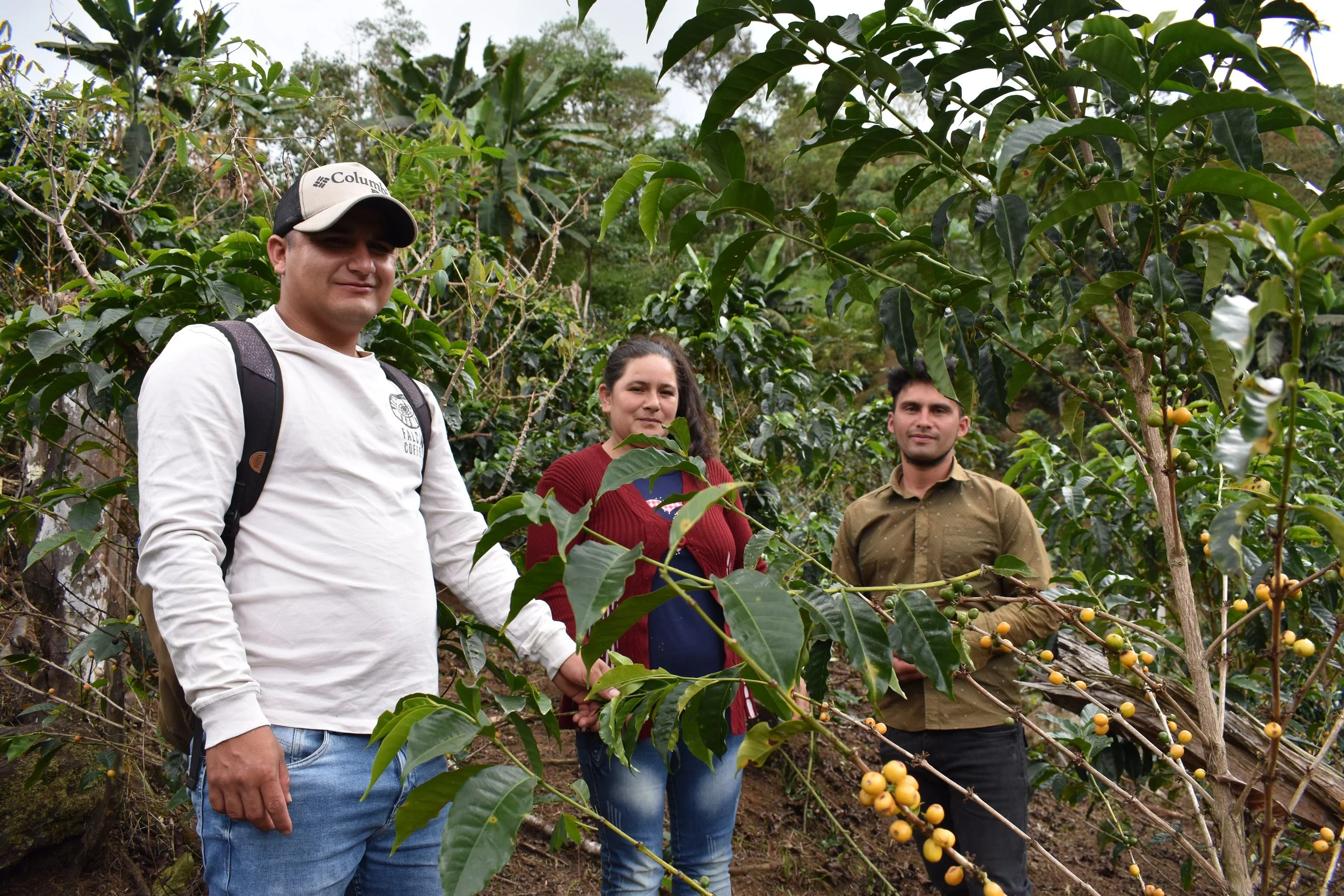
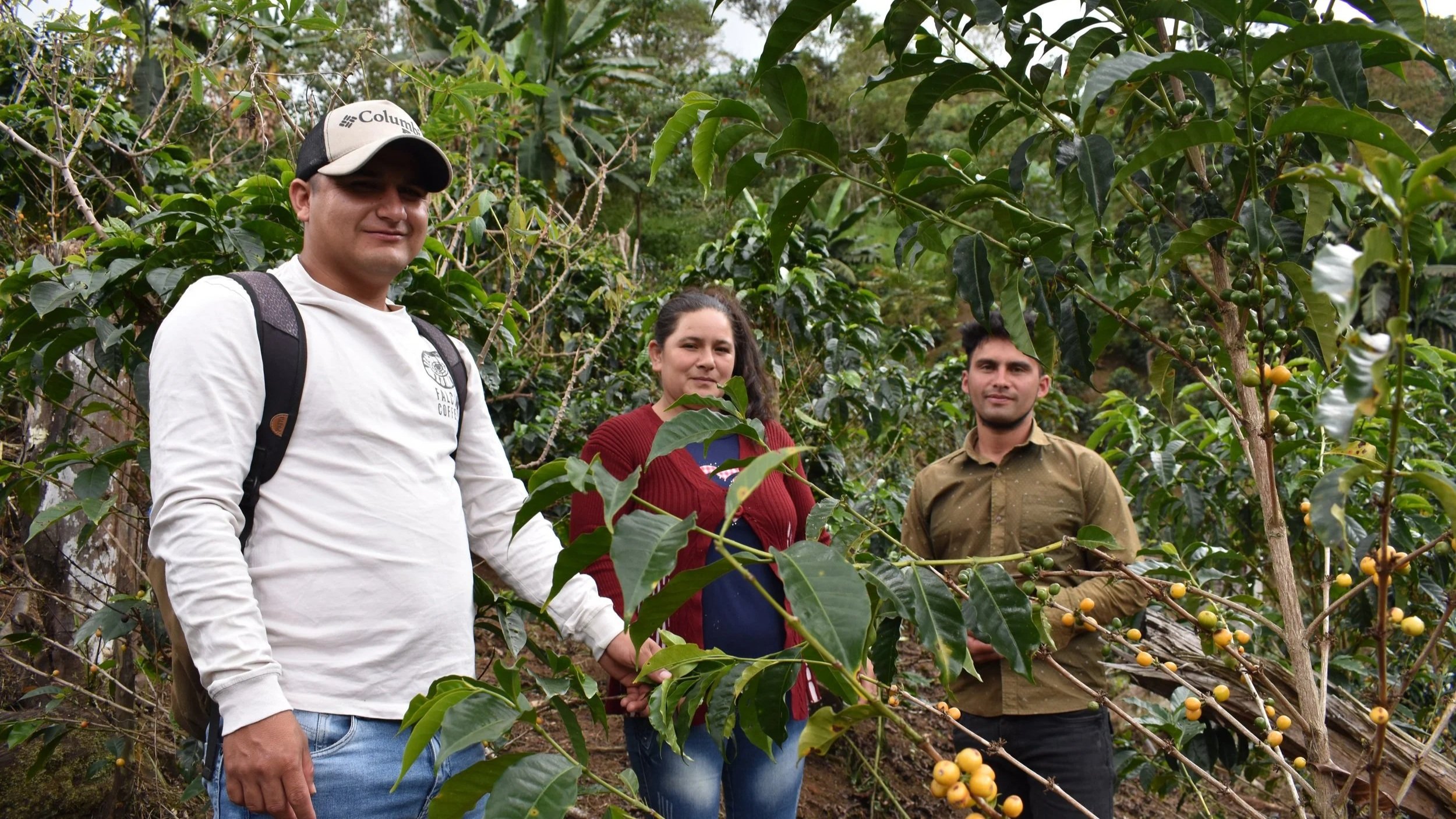
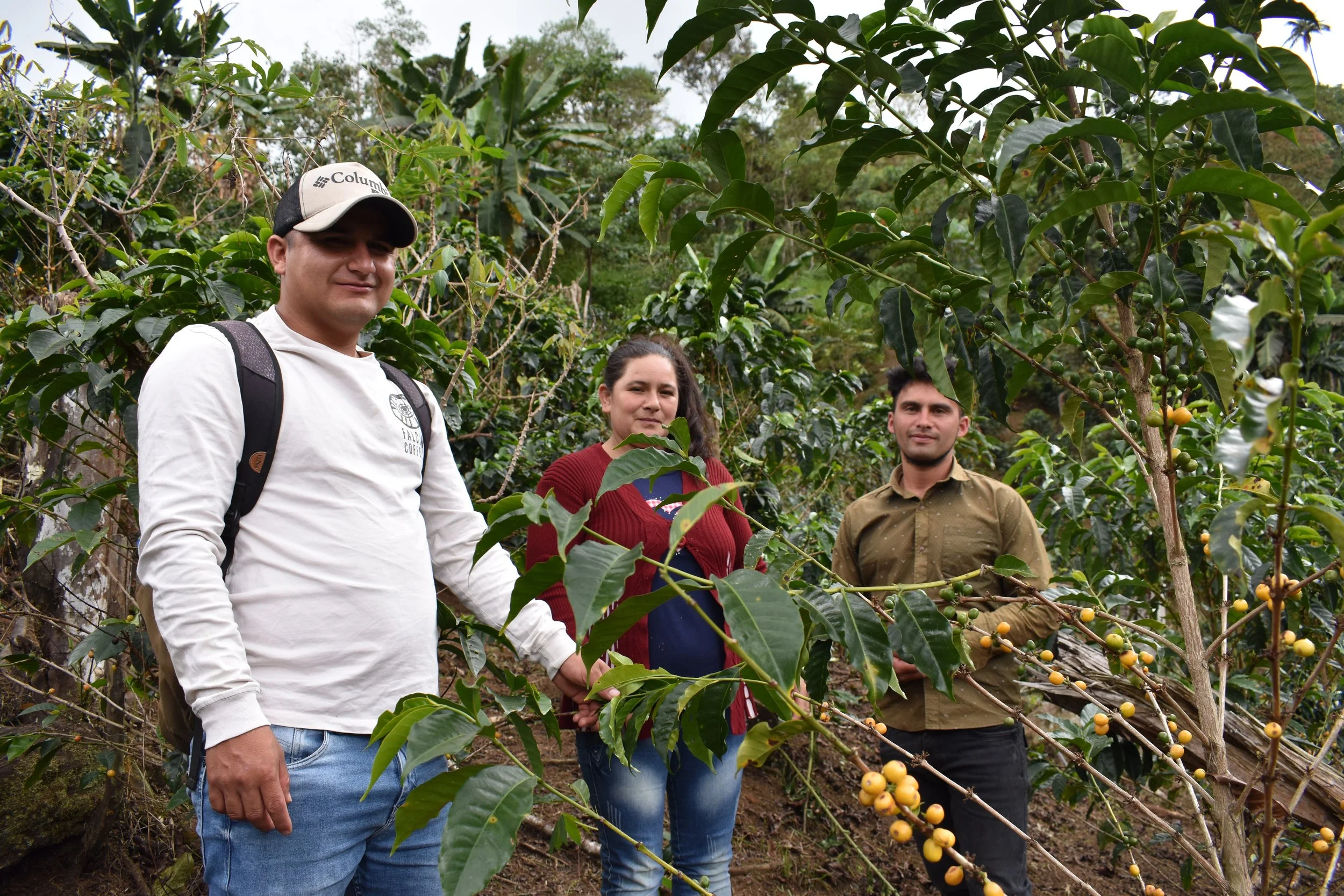
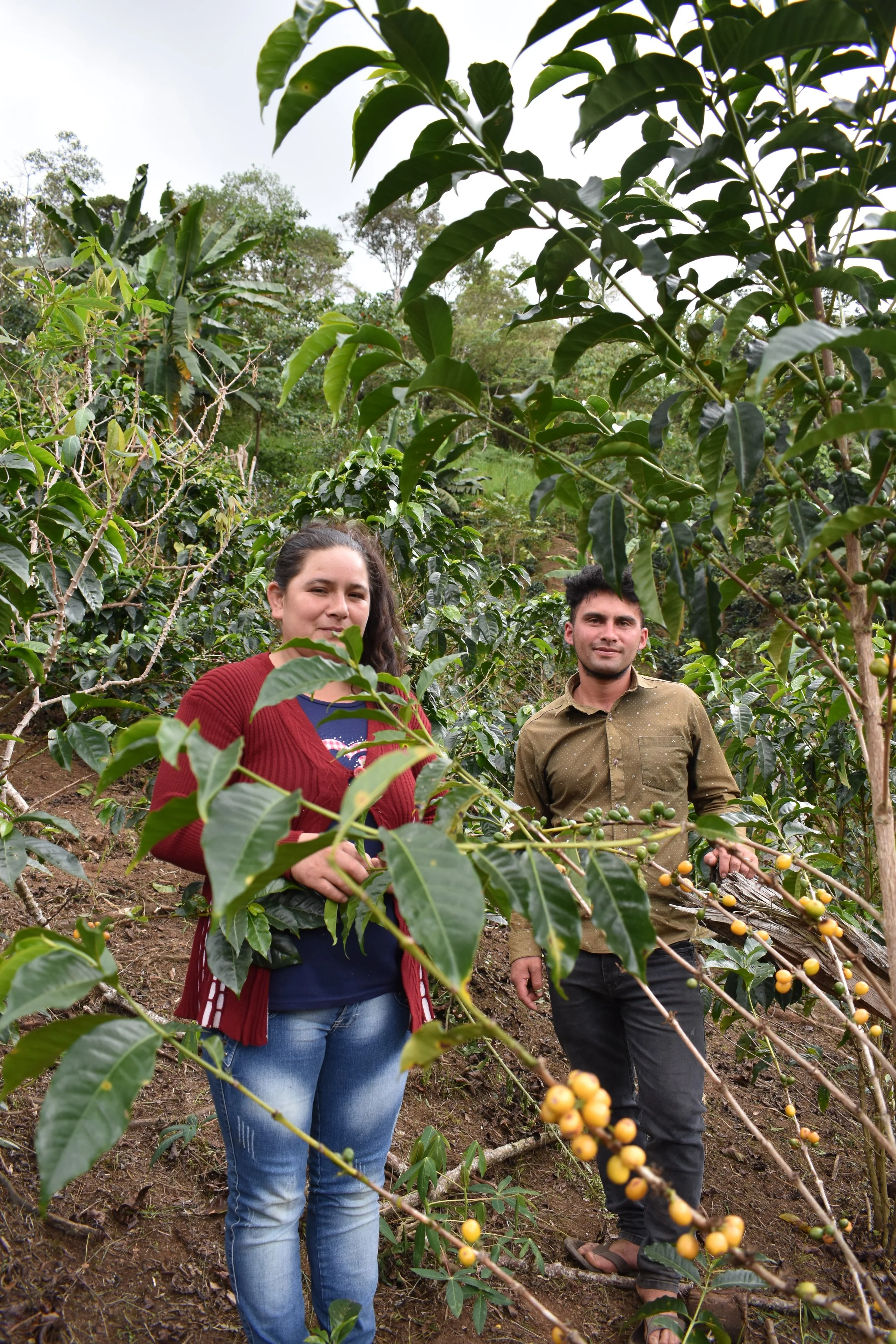
Emma (middle), her husband (on the right) and Franklin (agronomer employed by Falcon Coffees to help with support and training for growers in this area as part of their “Speciality Plus” quality improvements programme.
About Perlamayo and this coffee:
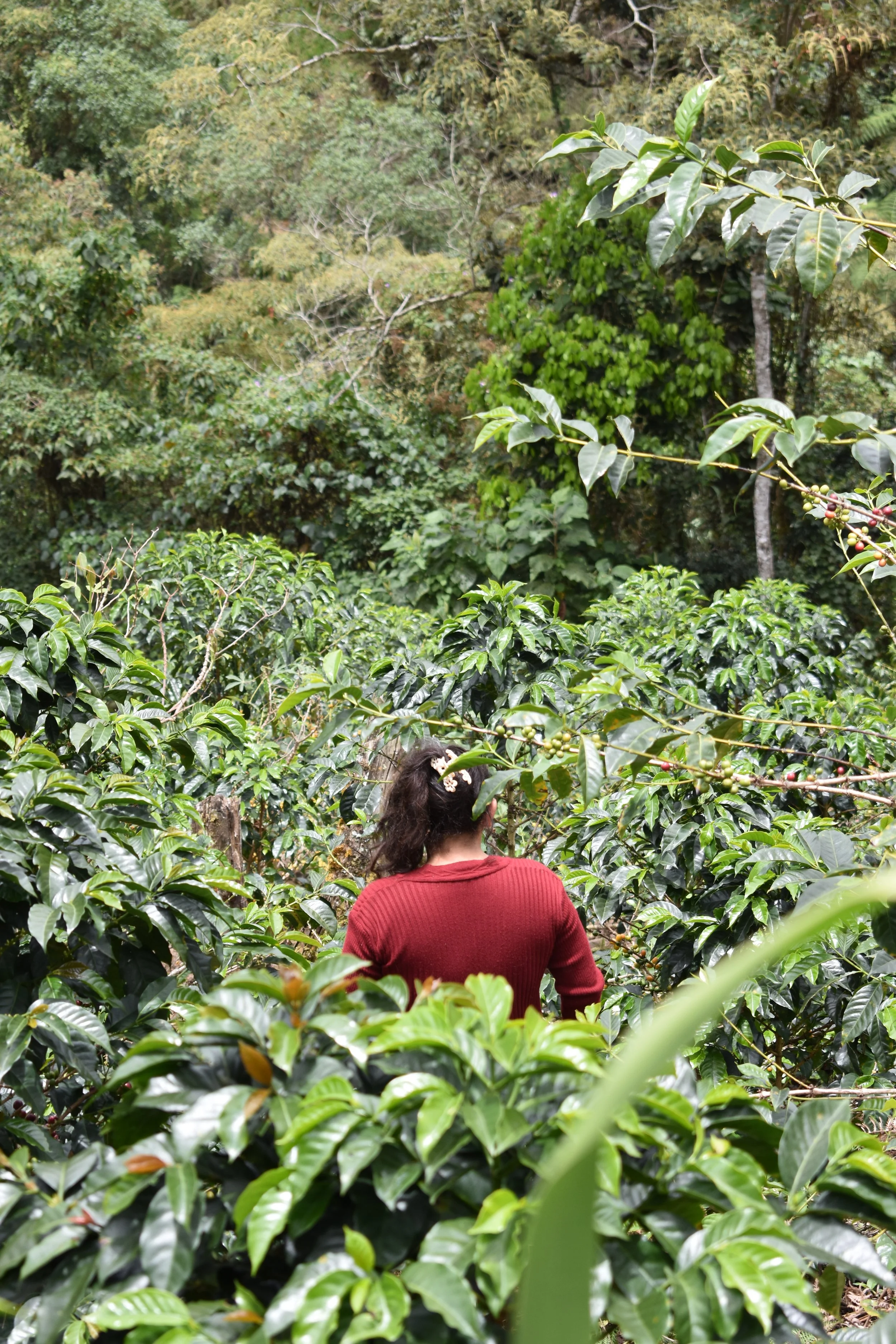
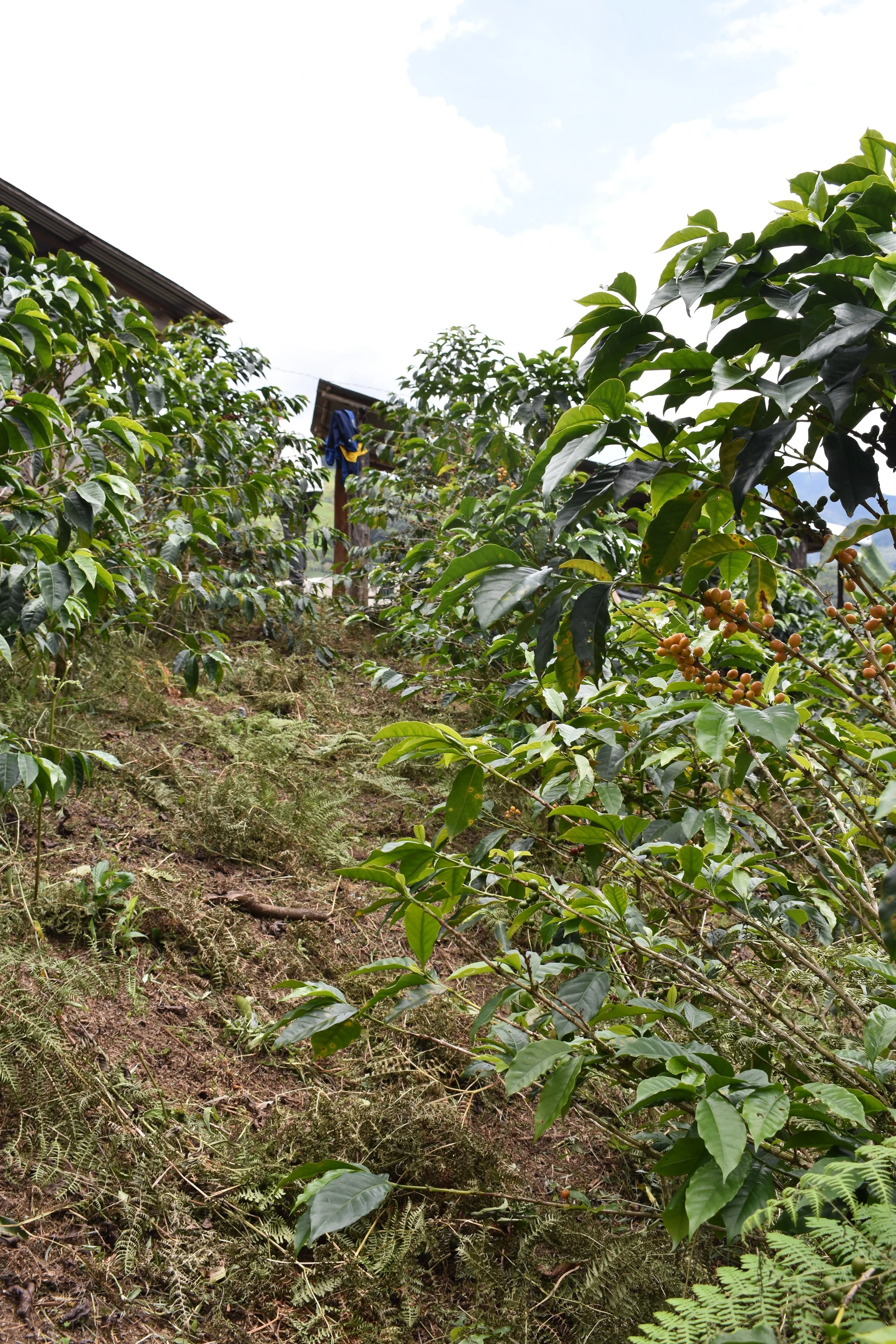
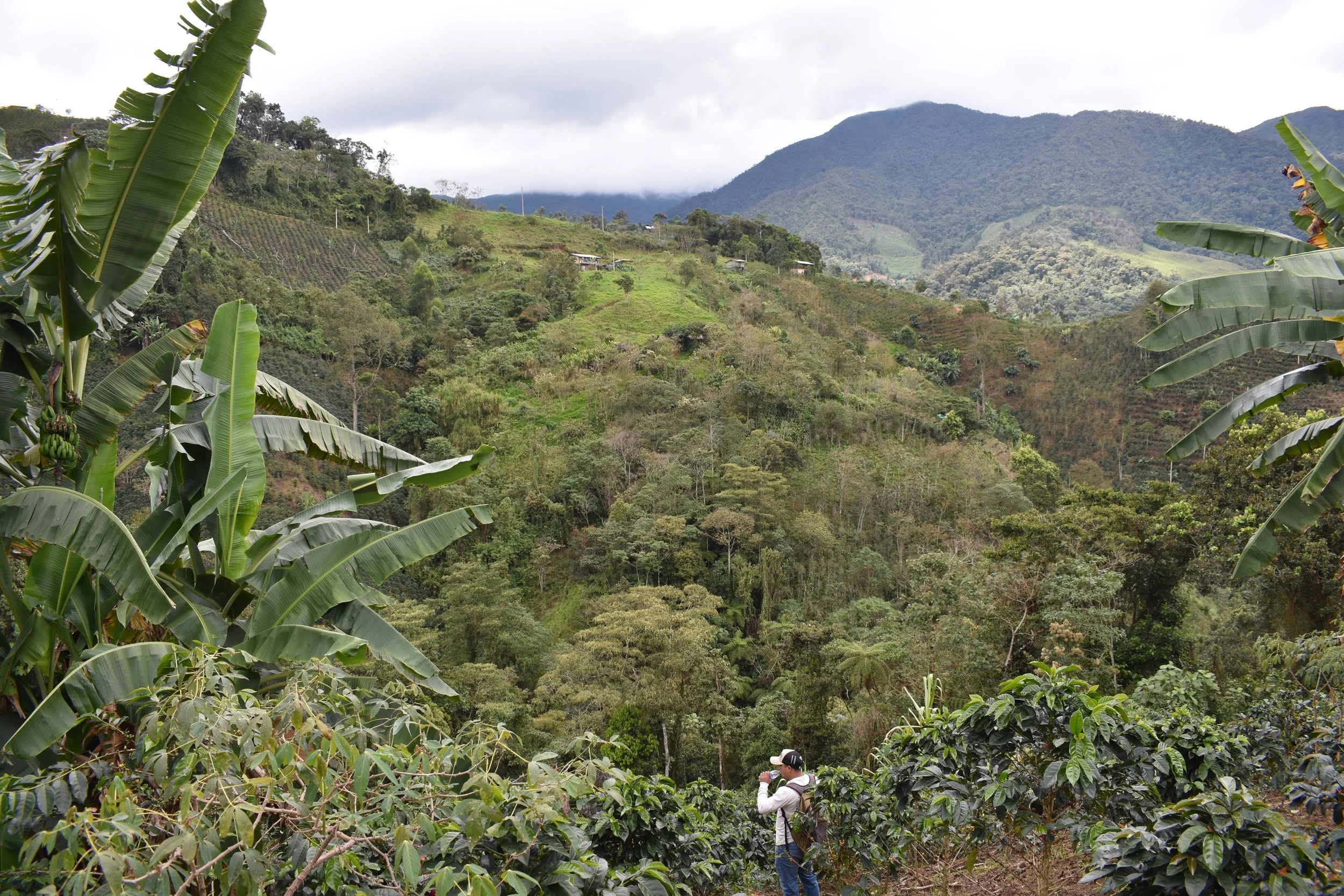
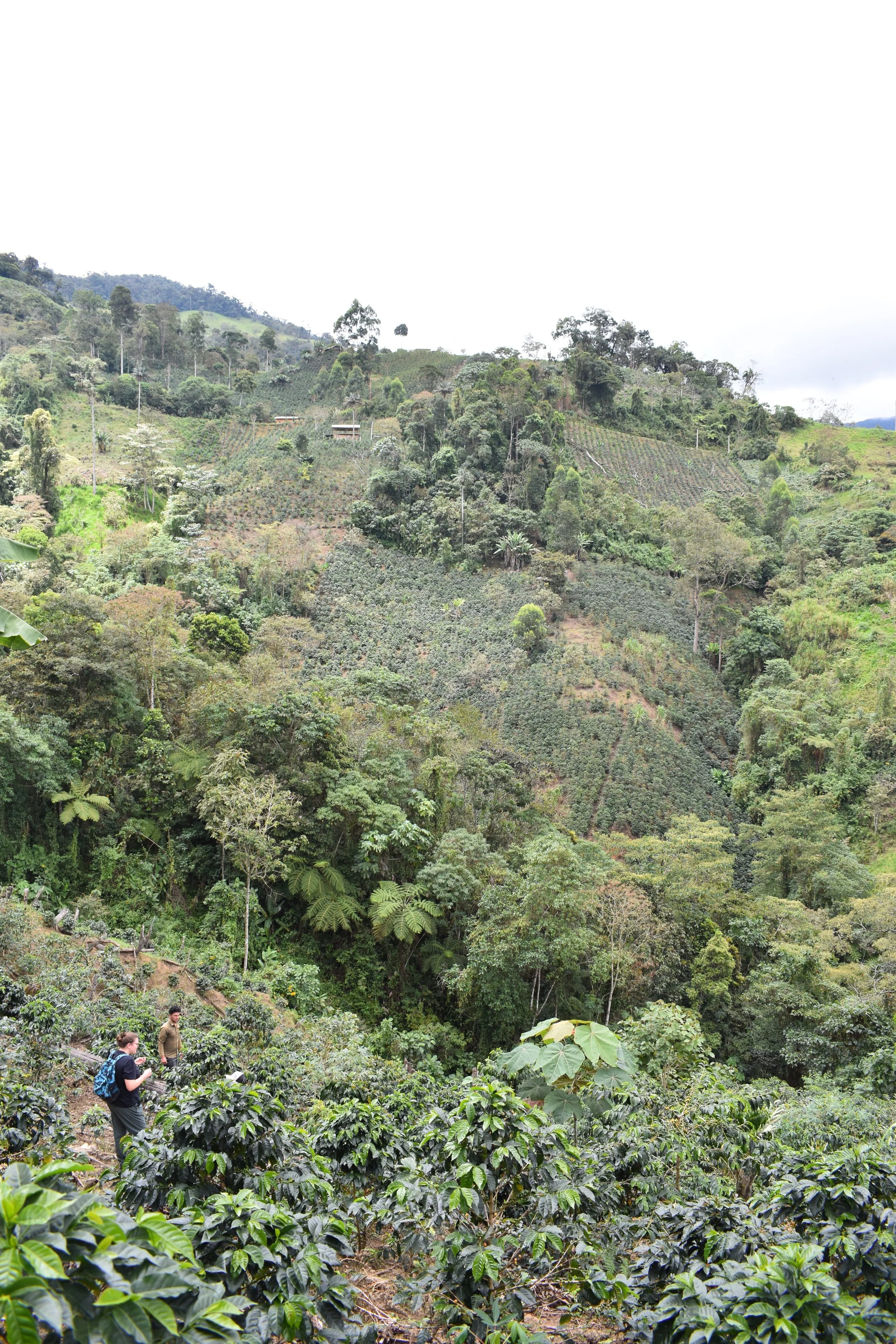
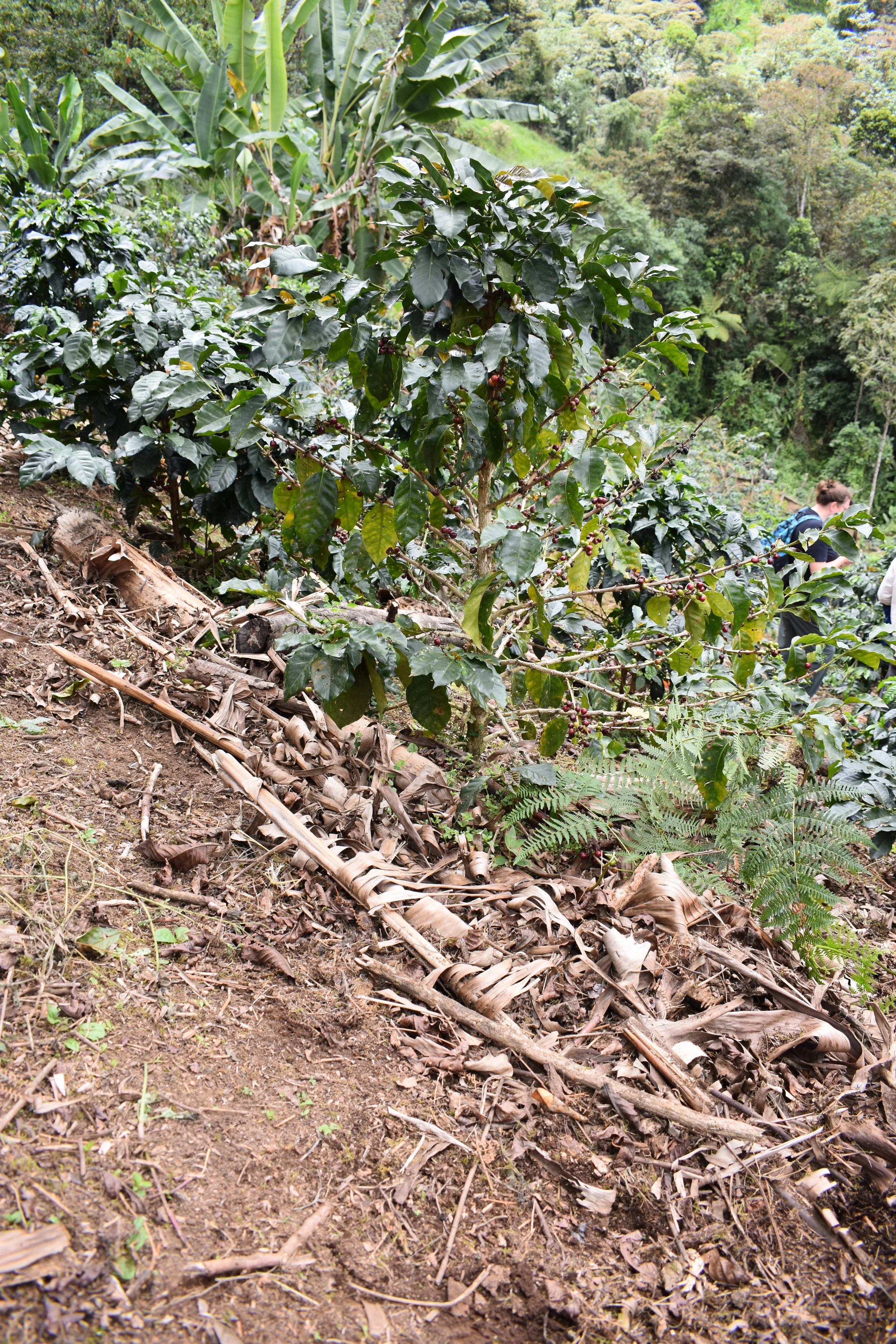
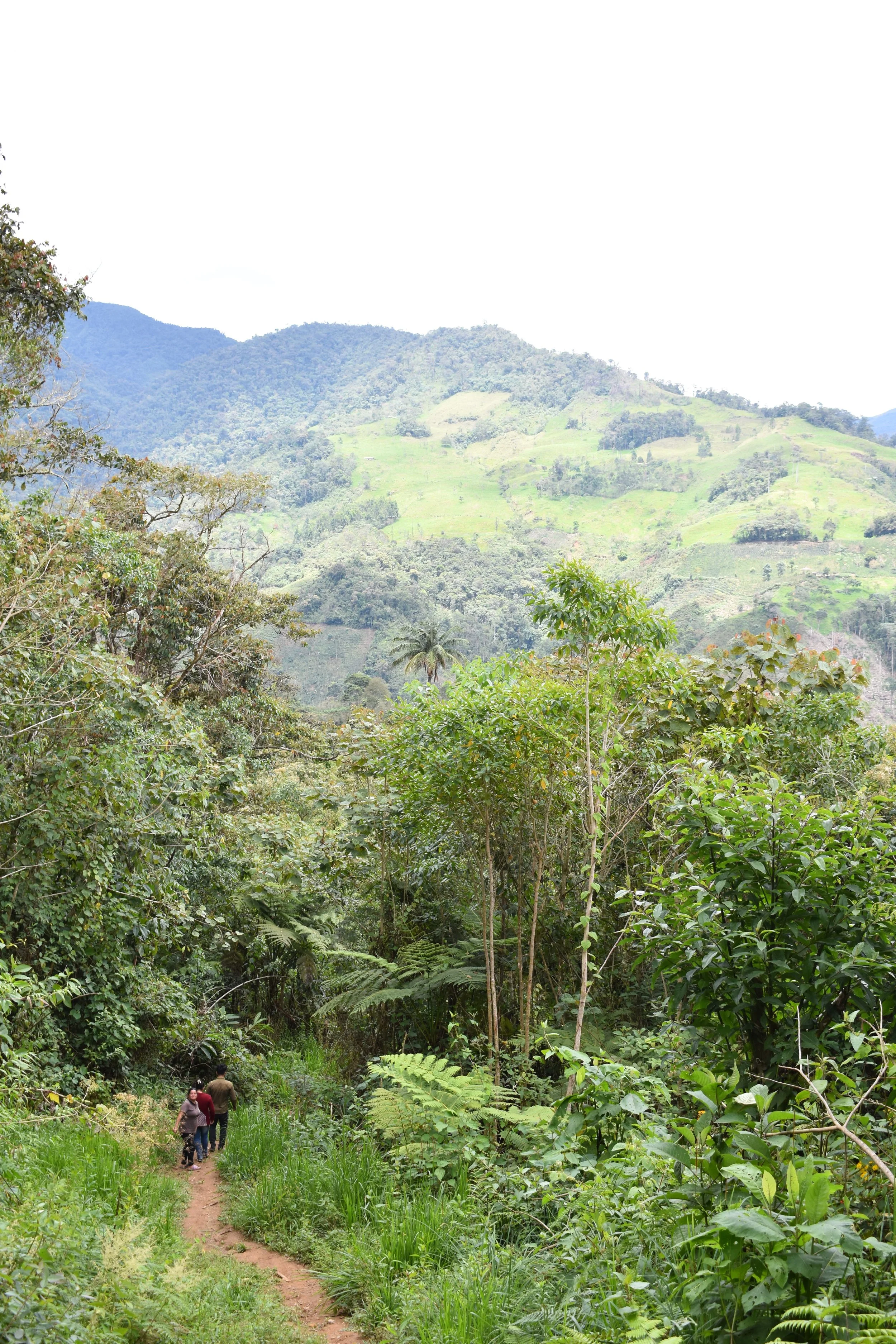
Perlamayo is a small community of coffee growers in the Huabal district of Peru’s Cajamarca region. The Rioja family, whose coffee we’ve purchase over the last three years, along with the Vasquez brothers are members of this community. The farms in this area are generally around two hectares in size, located at high altitudes of around 2,000 masl and planted with Caturra, Bourbon, Pache and Gesha varieties. The coffee is processed at each farmers own facility using traditional washed method but due to the cooler climate, producers use longer fermentation and resting times. Once de-pulped, fermented and washed, the coffee is usually moved to lower altitude with warmer temperatures for drying. Either on raised beds or under roofs of producers’ houses.
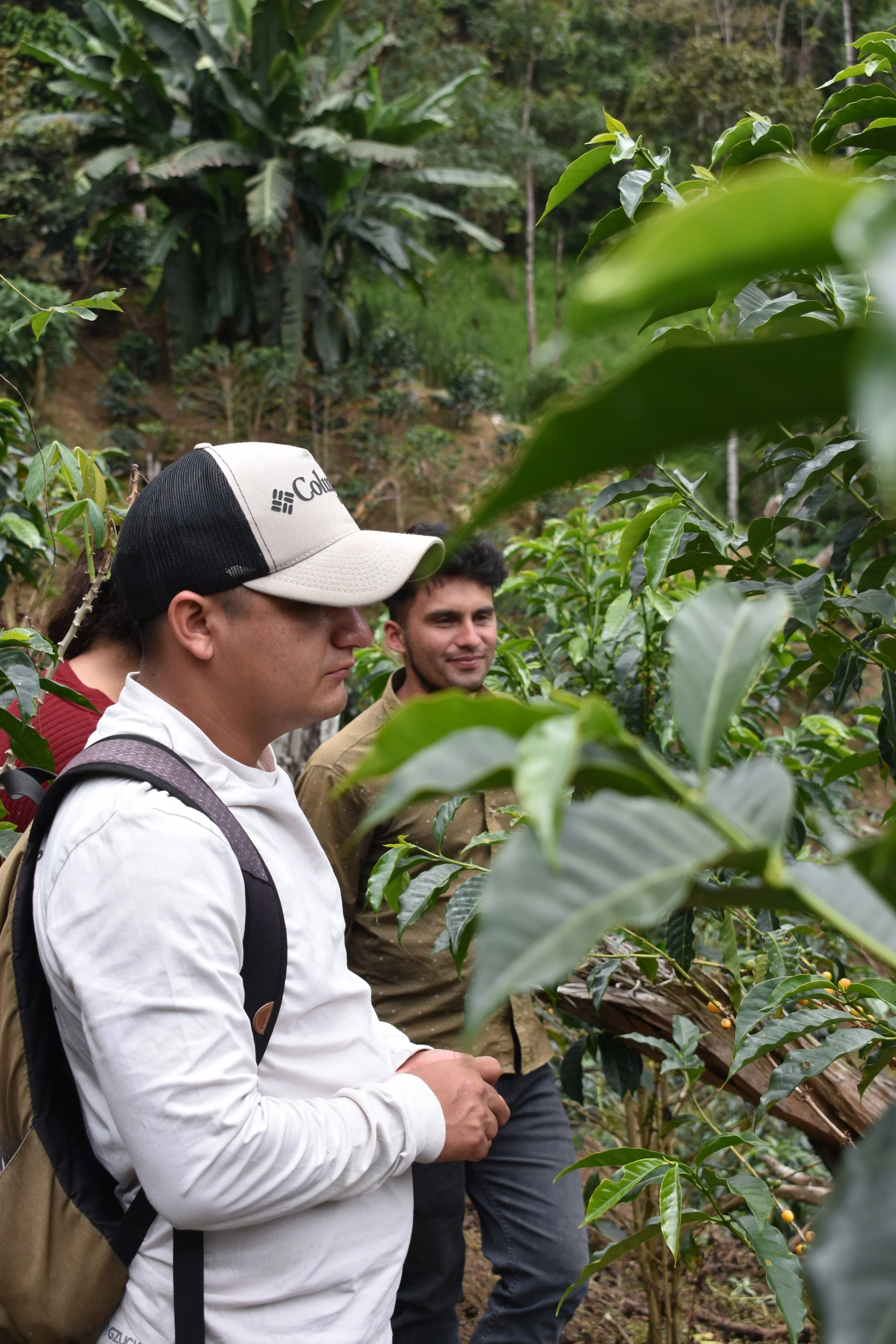
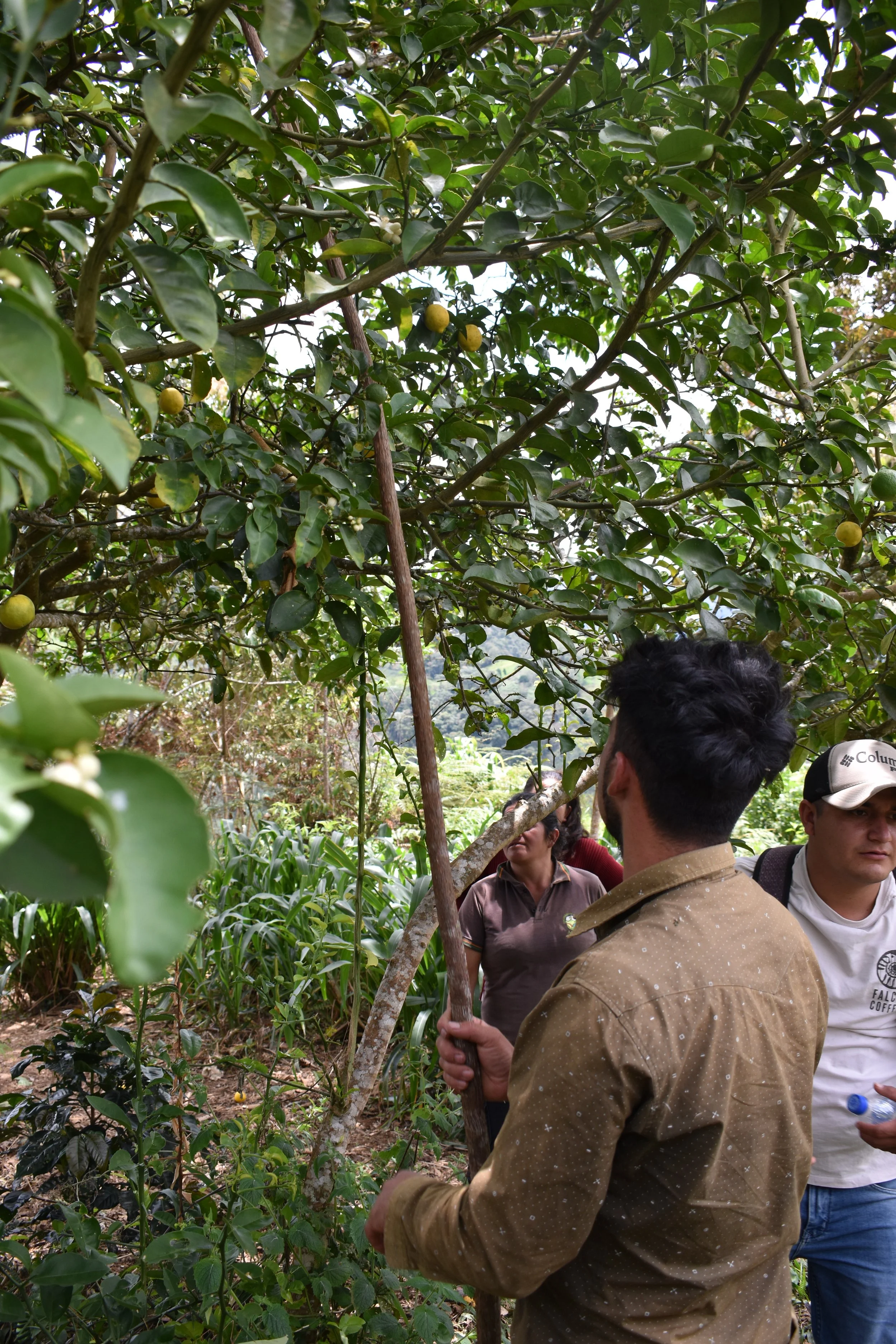
The Rioja family and other growers in the area work closely with our export partners Falcon Peru and take part in their Falcon Speciality Plus project. This involved regular visits from the agronomy support team and training on good agricultural practices as well as processing, suited to their particular needs with the goal of improving quality and receiving better prices for their coffee as well as maintaining good soil health and productivity. Most growers in this area use traditional farming methods with very minimal agricultural input, protecting the local ecosystem. Coffee is planted alongside other crops (like plantains and bananas) and a lot of the landscape is maintained as wild forest.
We have always enjoyed the Rioja family members’ coffee and this lot from the extended community shines in the cup too! It is deliciously fruit-forward, bright and floral and we hope you enjoy it as much as we do!
About Falcon Peru:
As Falcon explain:
In Peru, like some other origins, coffee farmers are sensitive to market changes and often lack basic training and the incentive to produce higher qualities of coffee, as premiums often don’t materialise. For these reasons we decided we needed to change the way we buy coffee in Peru and work directly with producers, allowing us to control and improve upon existing quality and have full financial traceability. Ensuring these two factors would help us to pay higher prices for the coffees and to make sure that producers received a fair price for the coffee they delivered us, above the market price. In order to do this, we set up a warehouse in Jaen and started to buy in parchment directly from producers.
The vision was to work directly with small producers who aren't associated with or able to sell their coffee through local cooperatives. They represent 75% of producers in Northern Peru and are usually based in remote areas with little or no access to training and price premiums adequate to the quality of coffee they are able to produce. This can leave their income often dependant on local aggregators who buy their coffee at farm for cash before selling it on which results in the producers being paid very little and the potential and quality of their coffee being lost.
Falcon's team on the ground in Peru, have established relationships and now work with around 300 small producers who bring their coffee in parchment directly to their warehouse where individual lots are graded, yield calculated and assessed for quality. Producers are then paid on the same day according to a transparent system (based on cup score and yield) and receive premiums well above the local market price. Aside from gaining access to a fair market, producers are also able to receive training on farm management, good harvest and processing practices.
