Cyesha CWS | Rwanda
Key Origin Info:
Producer: small-holder growers from the Cyesha colline in Nyamasheke district
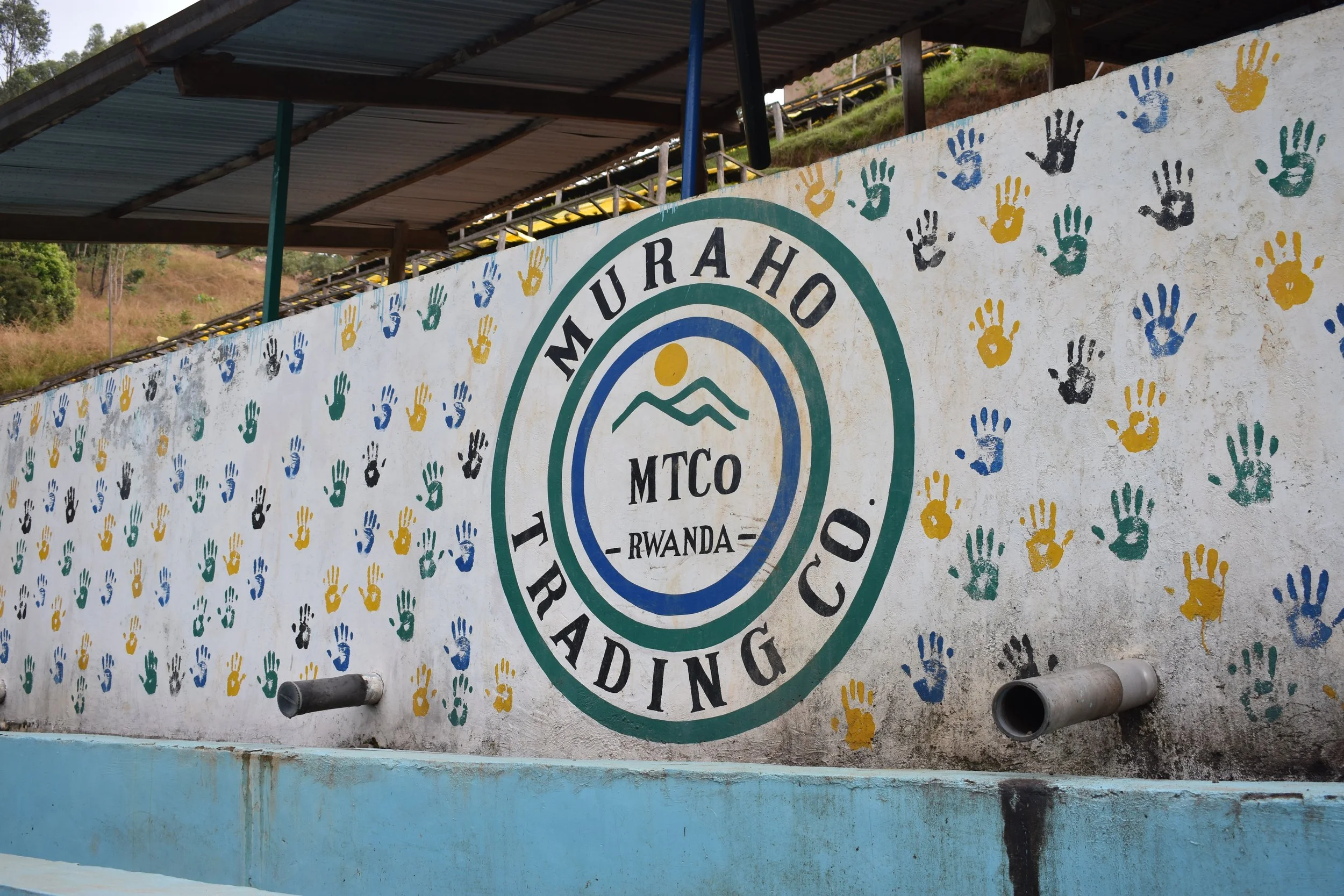
Processed at: Cyesha coffee washing station owned and run by Muraho Trading Company
Region: Nyamasheke
Altitude: 1460 - 1720 masl
Variety: Red Bourbon
Processes:
Natural - sorted, floated and dried on raised beds
Anoxic Natural - submerged in tanks covered with a plastic sheet & water pillow, dried on raised beds
Exporter: Muraho Trading Co | Importer: Raw Material
Purchasing history: First purchase form Cyesha 2024, purchasing through Muraho since 2021
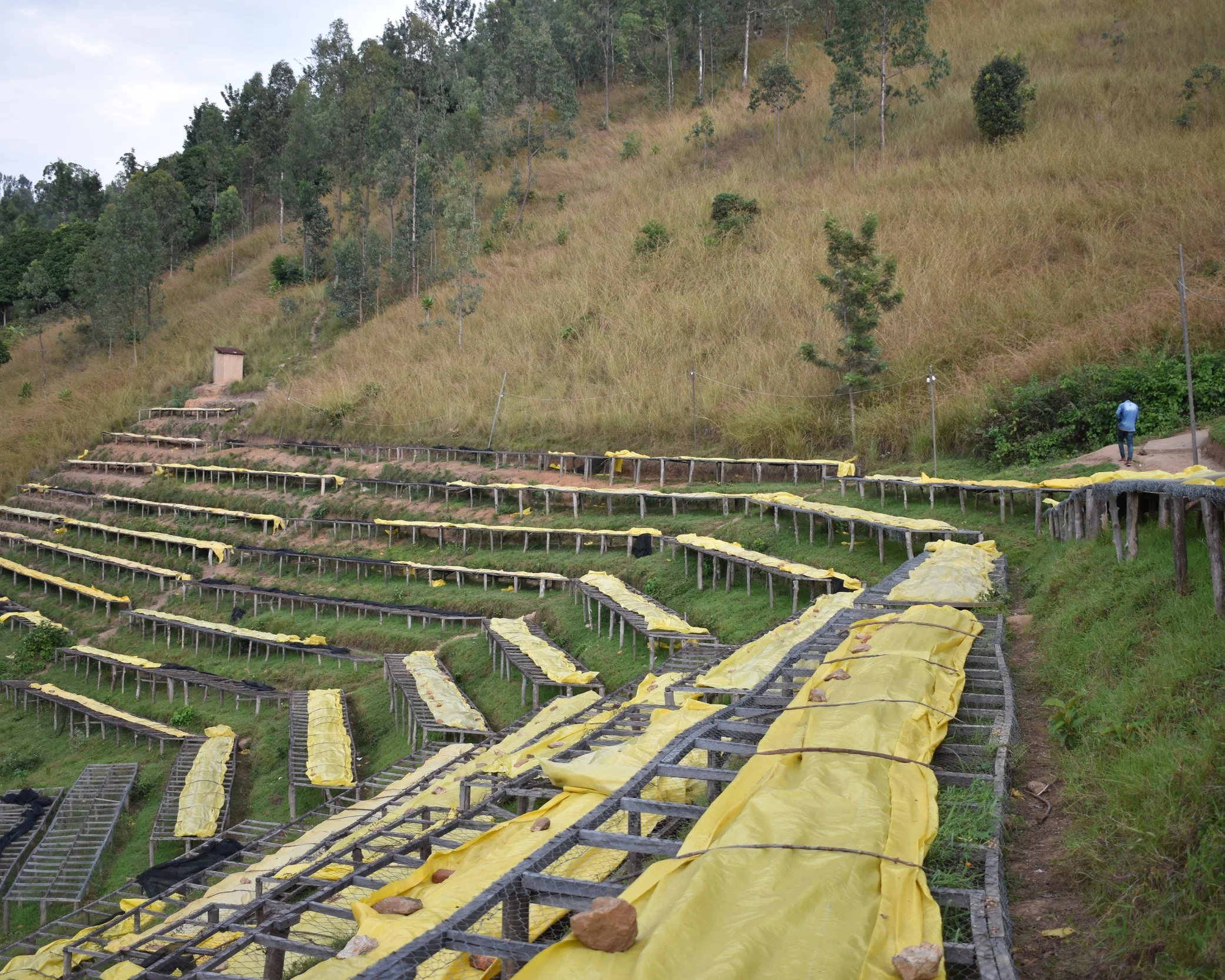
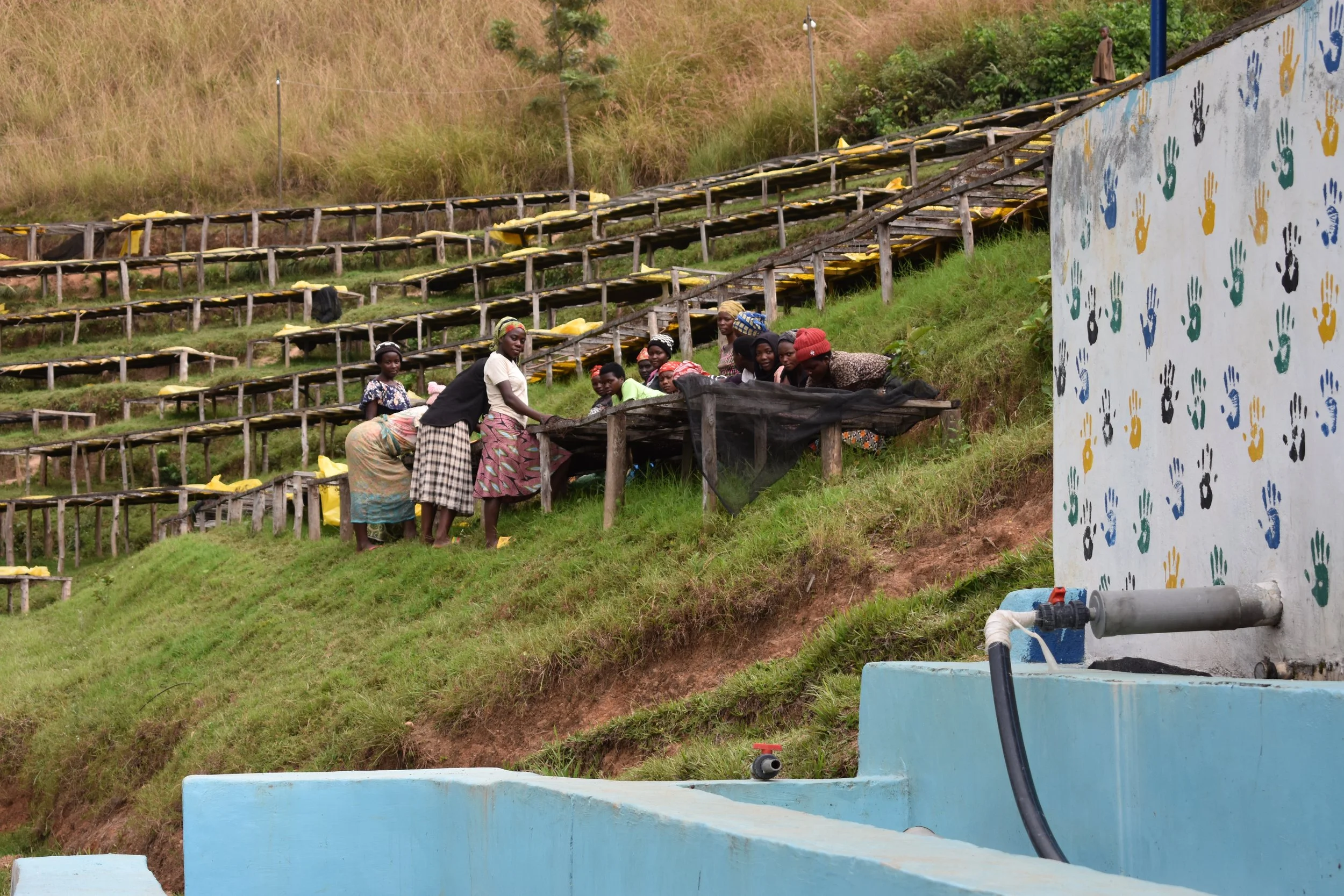
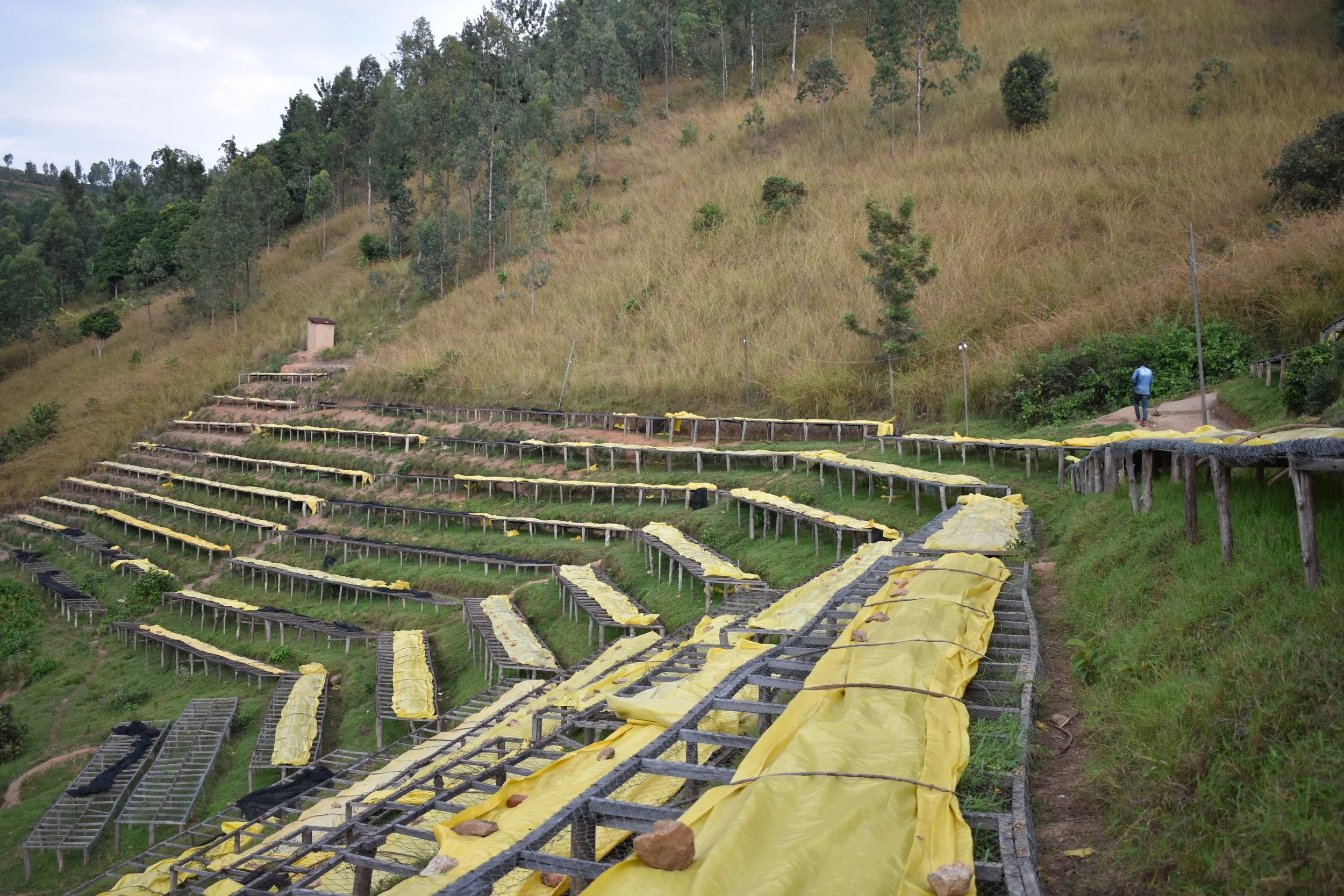
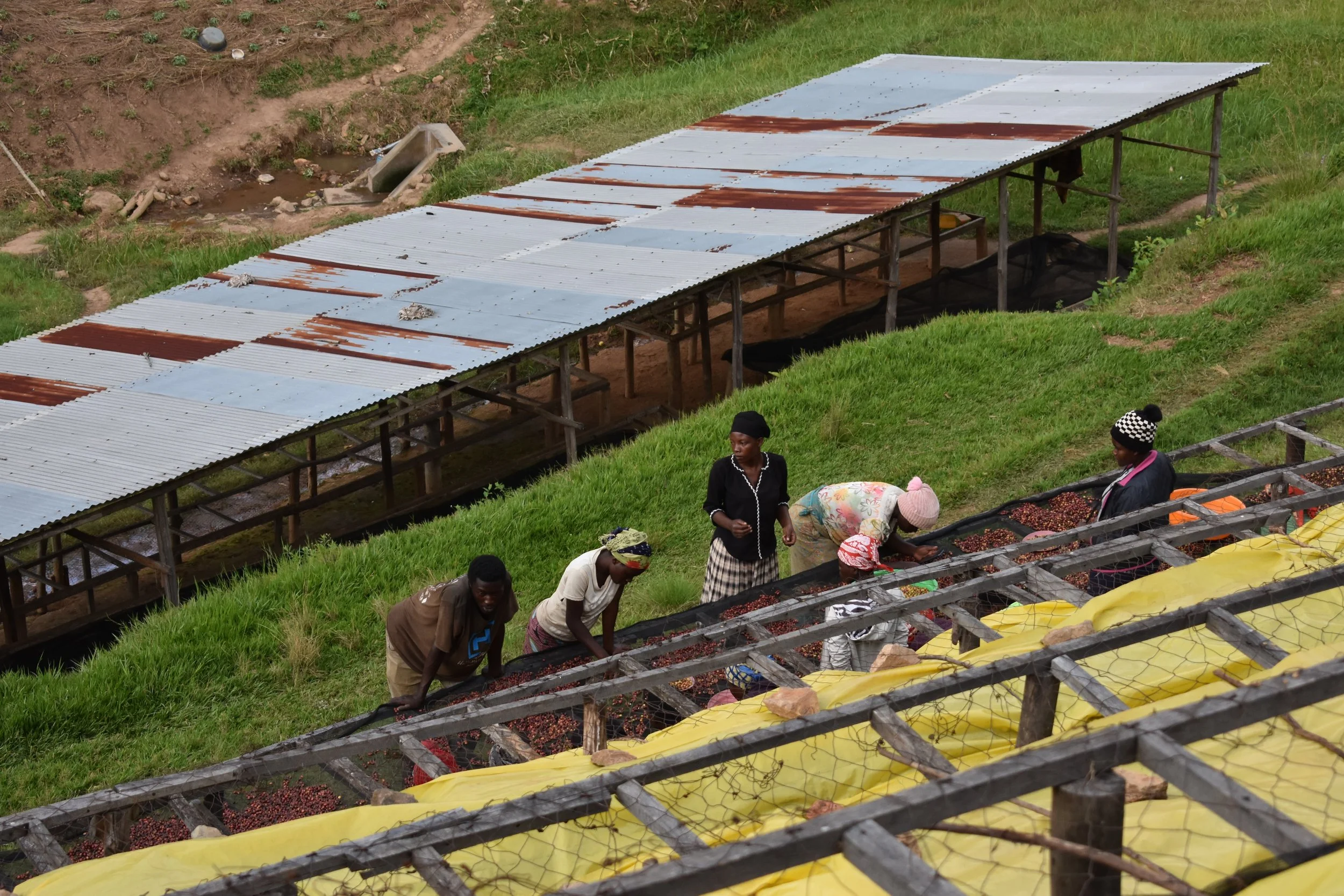
Coffee drying under cover at the beautifully peaceful Cyesha station during our visit in May 2024.
About Cyesha and Muraho Trading Co:
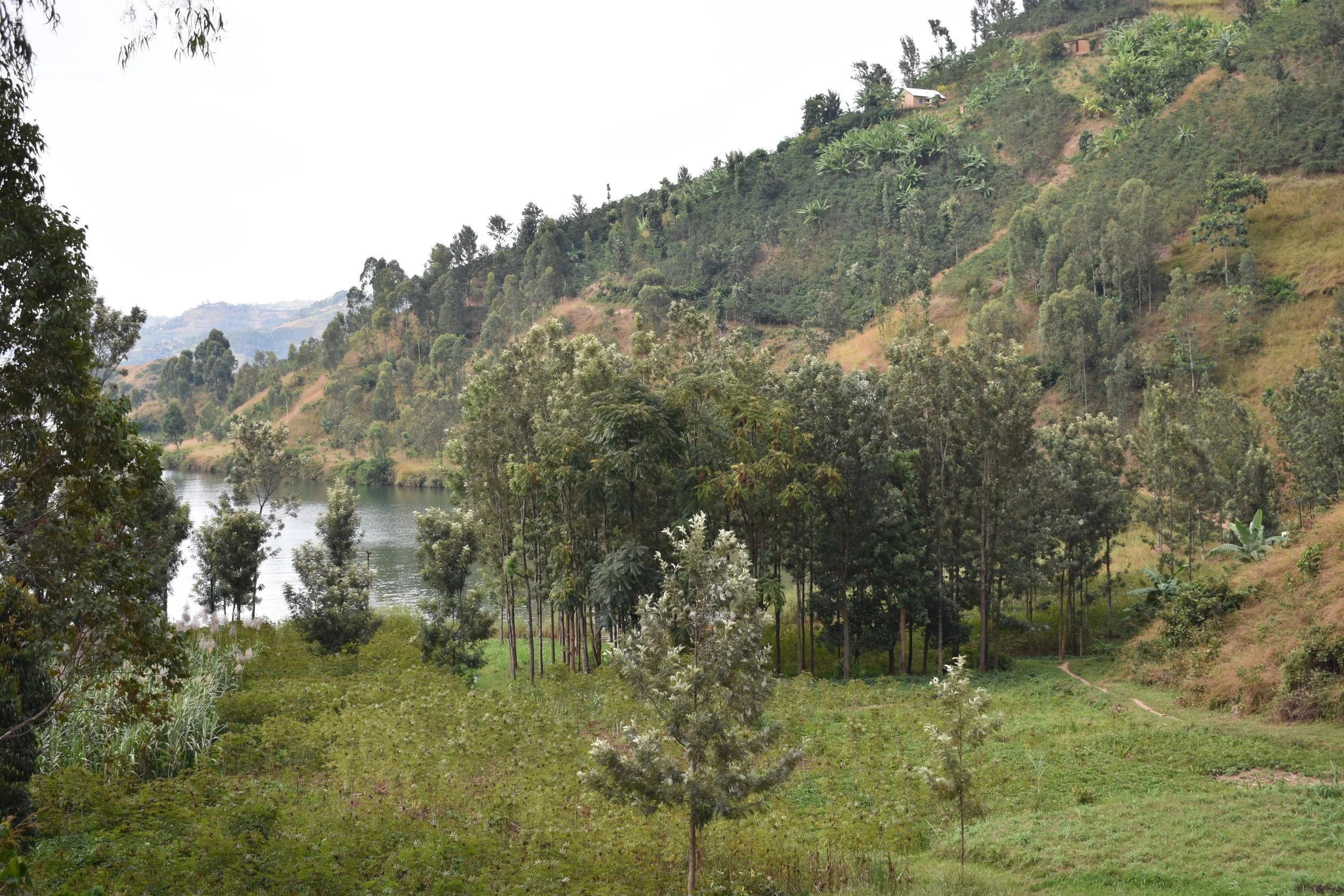
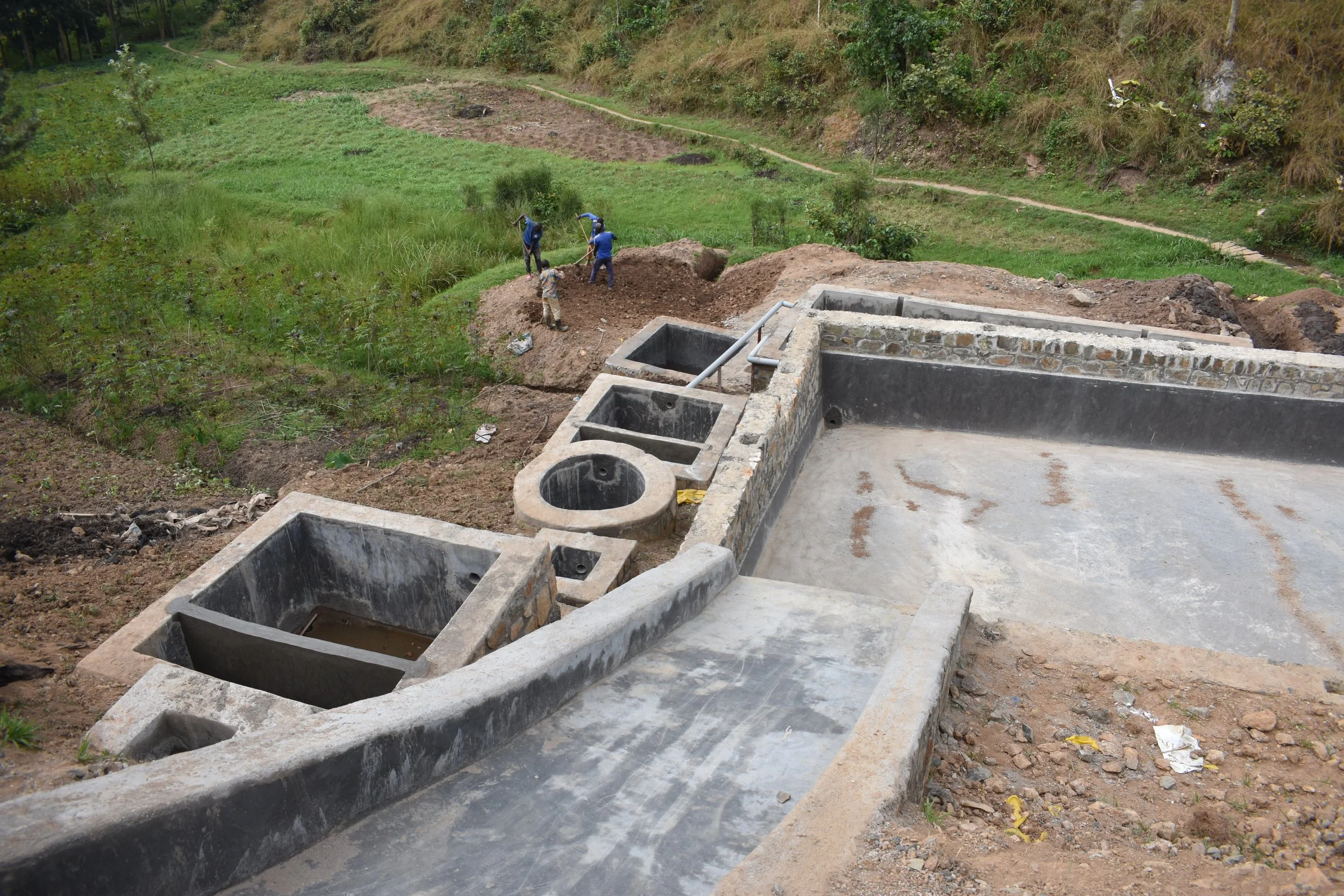
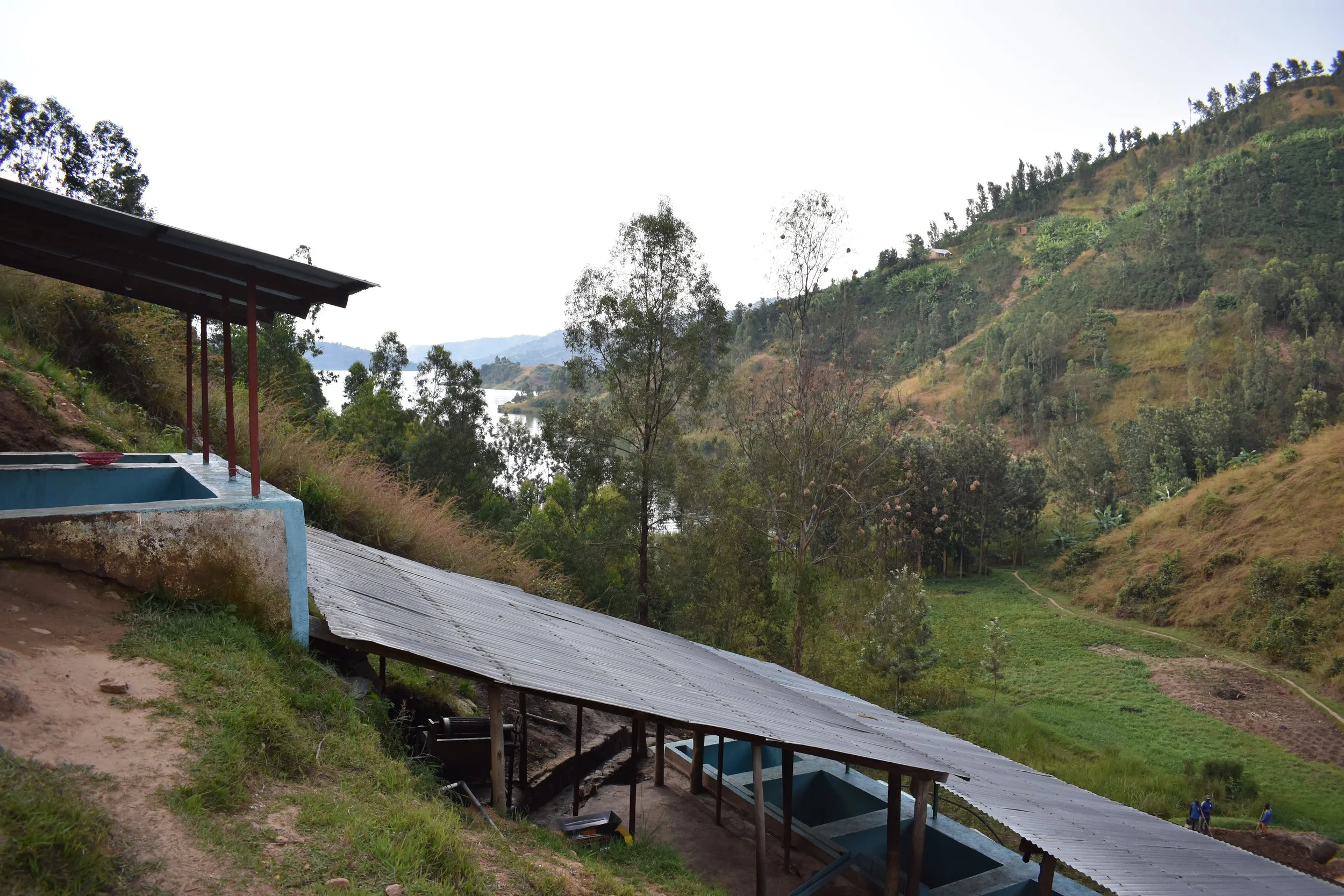
Cyesha (read Che-sha) is a washing station located on the shores of Lake Kivu in the Nyamasheke District. It is owned and operated by Muraho Trading- our key export partner in Rwanda. Muraho purchased Cyesha as an existing station in a rundown state and fully modernised it. Now boasting a pilot water treatment and composting system designed to not only purify water used in processing but also compost coffee pulp turning it into organic manure distributed to the farmer families supplying the station. Overseen by an experienced manager Joseph, the station receives cherry from 470 local growers and produces washed, honeys, naturals and now also special prep microlots.
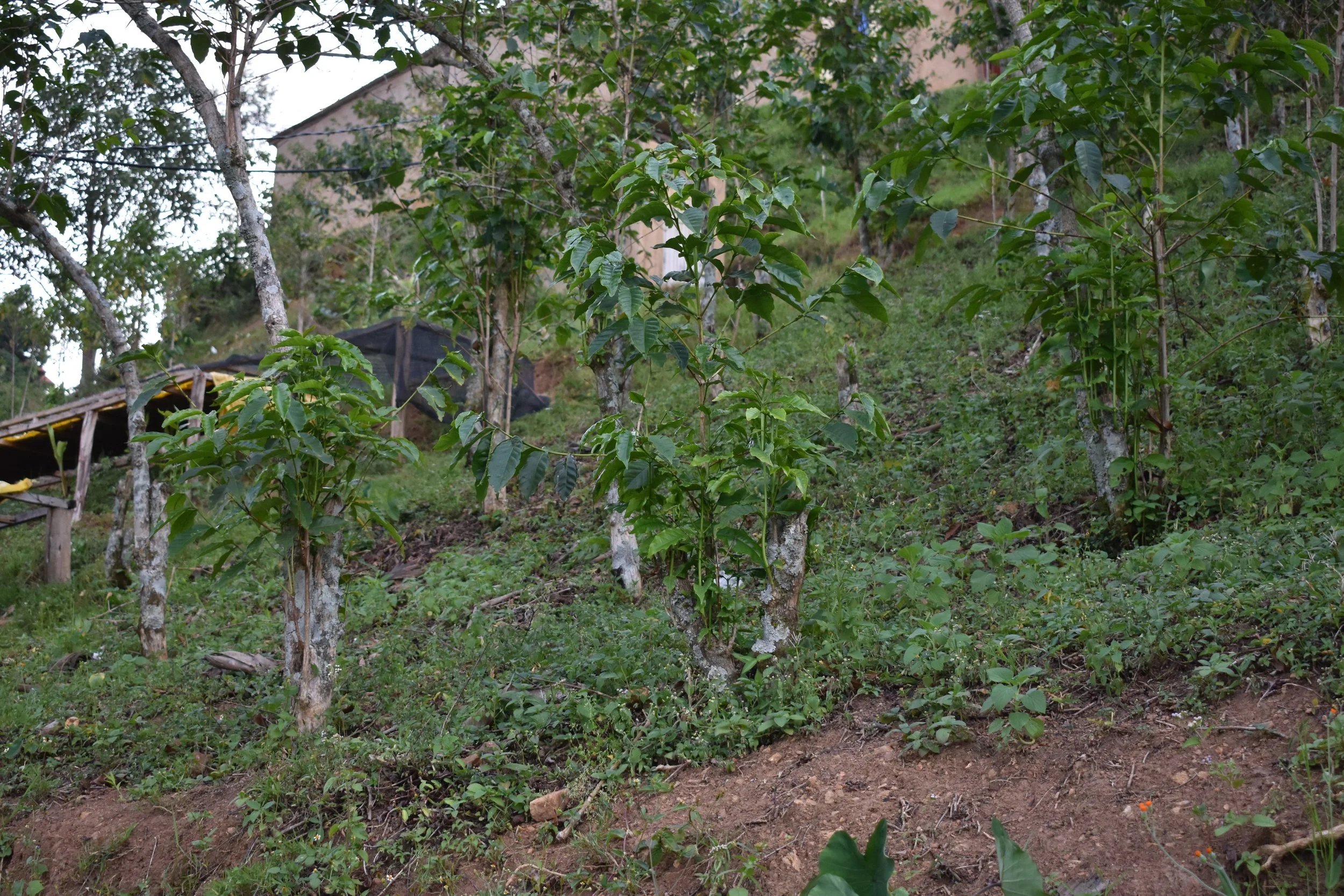
Cyesha is one of Muraho Trading Co’s newest stations in the Nyamasheke region. The coffee of this area grows on volcanic soils, a highly fertile medium for the cultivation of high-quality red bourbon cherries. Currently producers face two large hurdles to increasing their production yields; the high price of fertilisers, and ageing coffee trees. In spite of these issues, Cyesha redistributes a nutrient-rich organic compost which is created by combining coffee pulp discarded during processing with grass cuttings. Their goal is to continue increasing the volumes they purchase from producers, whilst assisting them in increasing their yields, ensuring they can maximise the profits their land can produce for them. To do so, fifty thousand new seedlings will be distributed every year, alongside rejuvenating techniques applied to old trees such as pruning and stumping.
Following on last year’s great reception of the natural lots from Cyesha, this year we purchased two lots from this station, one classic natural and also on special preparation “anoxic natural”
Cyesha Natural process:
All cherry is hand-sorted before floating, when under ripe or damaged cherry is removed.
Once the cherry is sorted and cleaned, it is ready to be dried. The cherries are laid out evenly across raised beds, providing consistent airflow, and height, to prevent moisture and animals coming into contact with the cherry.
The cherry is dried for 50 days, turned constantly when the sun is high and covered during the night. The dried fruit encasing the beans is removed, processed at the dry mill to the required exportation standards, and the coffee beans are ready to be organised for packing.
Cyesha Anoxic natural process:
Once cherries are received, they are hand-picked and floated to ensure only those of the best quality continue to the processing stage. These cherries are placed into a deep cleaned fermentation tank. A sheet is then placed over the cherries, which is then submerged with cool water.
The seal created by the water pressing onto the sheeting creates a vacuum effect on the coffee below, creating an anoxic environment for fermentation to begin, which lasts for 48 hours. The water and sheet act as not only a sealant, but a heat exchange, allowing the heat build up to transfer to the water, which evaporates away. A stabilised temperature of around 25 degrees Celsius ensures that the cherry doesn’t over ferment. This temperature is regularly monitored, and if it falls too low for fermentation to continue, hot water is added to the water pillow, to provide warmth to the fermenting coffee underneath.
Once the fermentation is complete, the water is drained, and the sheet is removed. The now fermented coffee is rinsed and drained of all residual liquid.
To continue into the natural processing phase, coffee is dried in cherry on raised beds for between 4 to 5 weeks. The raised beds ensure optimum circulation of airflow, assisted by the cherry being turned every 30 minutes of the duration of its drying!
All of Muraho’s coffee is consolidated at their central hub and washing station Rugali, based near Lake Kivu and in proximity to all local station. This is where Muraho’s own dry mill is located, ensuring full control over the final milling and export preparation process as well as providing much needed employment in the rural area.
About Raw Material - our importing partner:
Raw Material are a community interest company green coffee importer operating in the UK, EU and Australia. The work of Raw Material is centred around the vision of “speciality coffee as a solution”. A solution to sustainably improve the livelihoods of the many small-holder producers who have been historically marginalised and not receiving adequate value for their produce and contribution in the supply stream.
As RM explain:
Often the price farmers receive is lower than their cost of production. This situation leads to cycles of debt and disadvantage that compounds over generations.
The choices of the specialty coffee industry have an outsized ability to influence positive outcomes for producers and the wider environment. The value of the specialty coffee market continues to accelerate with a projected compound annual growth rate of 11-12% across the next 5 years. Total market value was estimated to be 35 billion USD in 2018 and is expected to grow to over 80 billion USD by 2025.
This is an exciting opportunity for development through trade. This is one of the few crises in the world for which the solution is direct and self-sustaining: with the appropriate investments and continued effort, the growing demand for high-quality coffee can be fulfilled by historically marginalised groups to great long-term effect.
To change the world, we need a powerful strategy. This requires that we make tough choices not just about what we will do but also what we will not do. We don’t search for the best coffee. We search for the right communities and work with them to build systems to produce high-quality coffee and connect to a stable marketplace. When the solution is well designed and community-led, results can be achieved very quickly.
Raw Material currently focus on working with producers in Colombia, Mexico, Rwanda & Timor Leste and they are our supply partner for Mexico and now also Rwanda.
You can find out more about their vision, impact and methods here.
